What are the Benefits of Using Hollow Section Steel?
Hollow Section steel, a versatile construction material, offers various advantages in modern engineering applications. According to the World Steel Association, the use of hollow sections has increased by 25% in structural applications over the past decade. This rise showcases their effectiveness in optimizing material usage and enhancing structural performance. Their geometry allows for higher strength-to-weight ratios compared to traditional steel profiles.
Moreover, Hollow Section steel can significantly reduce fabrication and installation costs. A report by the American Institute of Steel Construction indicates that, on average, using hollow sections can lead to a 15% reduction in total project costs. This efficiency stems from their streamlined shapes, which allow for quicker assembly. However, the reliance on hollow sections can present challenges, such as the need for specialized welding techniques. Ensuring quality control becomes vital in maintaining structural integrity.
The aesthetic appeal of hollow sections also cannot be overlooked. They provide sleek lines and a modern look in architectural designs. Nevertheless, designers must balance aesthetics with cost implications. While the benefits are substantial, careful analysis is required to avoid potential pitfalls in the design and implementation phases. Each project's specific context must guide the decision to use Hollow Section steel effectively.

Overview of Hollow Section Steel and Its Applications
Hollow section steel, characterized by its tube-like structure, finds a broad range of applications across various industries. This type of steel offers significant advantages in construction, automotive, and furniture design. Its hollow shape results in reduced weight, enhancing both strength and stability. This design allows for efficient load-bearing capabilities, making it a preferred choice in structural applications.
In construction, hollow section steel often appears in beams and columns. Its structural integrity supports modern architectural designs. The smooth surface also allows for easier coating and finishing, ensuring durability over time. In the automotive industry, it is used in chassis components. The lightweight nature improves fuel efficiency while maintaining safety standards. Furniture made from hollow section steel offers a modern aesthetic and is incredibly durable.
Tip: When selecting hollow section steel for projects, consider the specific load requirements. Consultation with a structural engineer can ensure proper usage for your needs. Be mindful of sourcing materials from reliable suppliers to guarantee quality. Testing the steel for durability and weight tolerance can prevent future issues. Pay attention to the environmental impact of your choices; sustainable sourcing is increasingly important in today’s industry.
Benefits of Using Hollow Section Steel
Structural Advantages of Hollow Section Steel in Construction
Hollow section steel offers significant structural advantages in construction. Its closed shape provides superior strength and stiffness compared to traditional solid sections. A report from the American Institute of Steel Construction highlights that hollow section steels can reduce material usage by up to 30% without compromising strength.
These sections also resist buckling better than their solid counterparts. In high-rise buildings, where vertical loads are substantial, hollow sections play a crucial role in maintaining integrity. According to the European Convention for Constructional Steelwork, hollow sections can enhance energy efficiency by enabling better thermal insulation.
Additionally, hollow sections streamline the construction process. They are lighter, making transportation and handling easier. This can lead to reduced labor costs and quicker project timelines. However, some experts caution that not all designs benefit equally from hollow sections. A careful analysis is essential to ensure optimal structural performance.
Benefits of Using Hollow Section Steel
| Benefit |
Description |
Applications |
| High Strength-to-Weight Ratio |
Hollow section steel provides greater strength while being lightweight, making it easier to handle and transport. |
Structural frames, bridges |
| Versatility |
Available in various shapes and sizes, allowing for innovative design solutions. |
Architectural features, building frames |
| Durability |
Hollow section steel is resistant to corrosion and has a long service life with minimal maintenance required. |
Industrial structures, outdoor installations |
| Aesthetic Appeal |
Provides a clean and modern look that can enhance the visual aspect of construction projects. |
Architectural designs, sculptures |
| Easy to Weld and Fabricate |
Hollow section steel can be easily welded or fabricated into various designs which simplifies construction processes. |
Custom structures, frames |
Cost-Effectiveness of Hollow Section Steel Materials
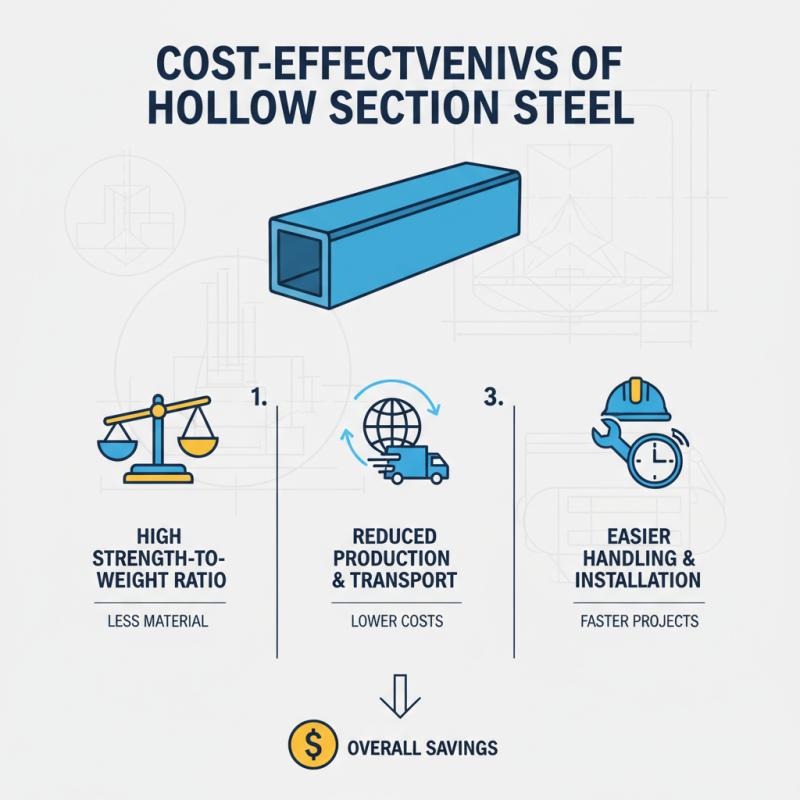
Hollow section steel materials offer significant cost-effectiveness in construction and manufacturing. Their unique shape provides high strength-to-weight ratios, reducing material usage. This means lower costs in both production and transportation. Additionally, less weight leads to easier handling on-site, which can speed up project timelines.
This type of steel is often less expensive than traditional solid sections. However, the initial purchase cost may not always reflect the long-term savings. It's crucial to consider factors like durability and maintenance. While hollow section steel can be prone to corrosion, treating it with protective coatings can mitigate these issues. It’s worth noting that careful planning is required to ensure proper usage. A miscalculation in design can lead to expensive rework.
When evaluating hollow section steel, the long-term benefits should outweigh the immediate costs. Construction teams should evaluate the environmental impact as well. This steel type is recyclable, adding to its appeal. However, the cost-effectiveness analysis must consider all these factors carefully. Understanding both the advantages and challenges is essential for making informed decisions.
Durability and Strength Benefits of Hollow Section Steel
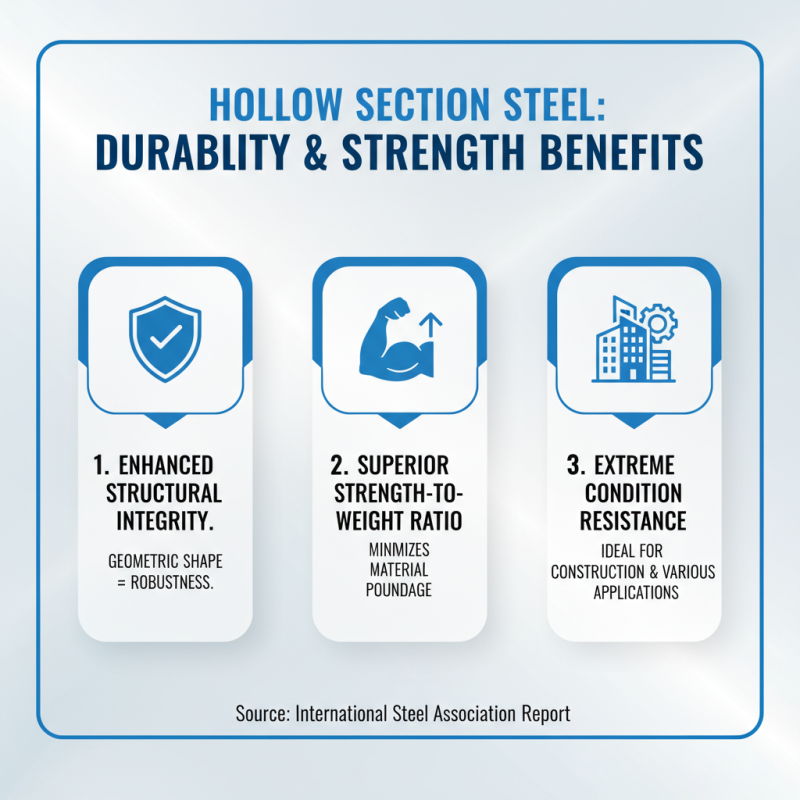
Hollow section steel provides remarkable durability and strength advantages. Its geometric shape enhances structural integrity while minimizing weight. This feature is crucial in construction, where every pound matters. According to a report by the International Steel Association, hollow sections can withstand extreme conditions, making them ideal for various applications.
Using hollow section steel contributes significantly to overall project longevity. A study by the American Institute of Steel Construction highlights its resistance to corrosion and fatigue. These properties result in lower maintenance costs over time. Additionally, the consistent wall thickness of hollow sections ensures uniform strength and reduces the likelihood of failure.
Tips: When selecting hollow section steel, consider the environmental conditions it will face. Assessing potential exposure to harsh elements can guide your choice. Remember, while hollow sections are strong, the design must match the specific requirements of your project. Overlooking this aspect may lead to unforeseen challenges.
Design Flexibility and Aesthetic Appeal of Hollow Section Steel
Hollow section steel offers remarkable design flexibility, making it an appealing choice for architects and engineers. Its unique shape allows for various structural applications, from beams to columns. A report by the American Institute of Steel Construction highlights that hollow section steel can reduce the amount of material needed while maintaining strength. This is essential for modern construction where sustainability is crucial.
In aesthetic terms, hollow section steel enhances the visual appeal of structures. Its clean lines and smooth surfaces complement contemporary designs. According to the Steel Construction Institute, the versatility in sizes and shapes allows for creative architectural expressions. Designers can play with different configurations, pushing the boundaries of traditional shapes. However, achieving the desired aesthetics also requires careful consideration of the design process.
Despite its advantages, there can be challenges. The weight of hollow sections, combined with connection issues, may complicate construction. Ensuring proper alignment and structural integrity is essential but can require additional resources. In some cases, the initial costs can deter quick adoption. A balance must be struck between innovative design and practicality to harness the true potential of hollow section steel.