Leave Your Message

Discover the Best Uses and Benefits of Gi Steel Sheet in 2026?

In recent years, the demand for Gi Steel Sheet has surged. This material is known for its excellent durability and versatility. Many industries are discovering its unique benefits. As we approach 2026, it’s essential to explore how this alloy is reshaping manufacturing and construction.

Gi Steel Sheet offers remarkable resistance to corrosion, making it a top choice for various applications. Industries like automotive and architecture rely heavily on its strength. Additionally, its lightweight nature enhances efficiency in production processes. However, it's crucial to consider the environmental impact of steel production as we move forward.

Understanding the best uses of Gi Steel Sheet remains vital. Are there better alternatives? Could advancements mitigate its weight without compromising strength? These questions hint at the ongoing evolution of materials in our modern world. A careful evaluation of Gi Steel Sheet can lead to smarter choices and innovative applications in 2026 and beyond.

Discover the Best Uses and Benefits of Gi Steel Sheet in 2026?

Understanding Gi Steel Sheets: Definition and Composition

Discover the Best Uses and Benefits of Gi Steel Sheet in 2026?

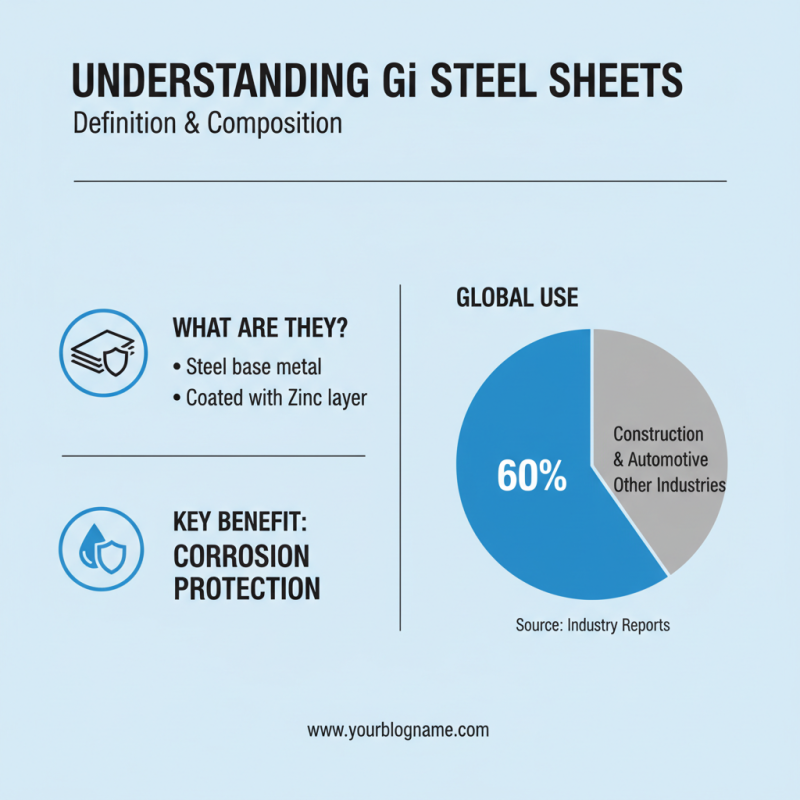
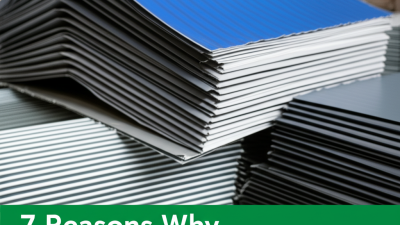
Gi steel sheets, or galvanized iron sheets, are vital materials in various industries. These sheets consist of a base metal, usually steel, coated with a layer of zinc. This zinc coating protects the steel from corrosion. According to industry reports, approximately 60% of galvanized steel sheets produced globally are used in construction and automotive applications. This significant market share indicates their importance in these sectors.

The composition of Gi steel sheets is crucial for their performance. Typically, the zinc coating ranges from 50 to 300 grams per square meter, depending on the intended use. The higher the zinc content, the better the corrosion resistance. This property is particularly beneficial in environments exposed to moisture. Studies show that Gi sheets can last up to 50 years in such conditions, significantly outpacing uncoated steel. However, not all grades provide equal benefits, and careful consideration of the specific application is necessary.

Despite their benefits, using Gi steel sheets is not without challenges. The adhesion of paint or other coatings can be inconsistent. Manufacturers often face issues with surface treatment and oiliness. These challenges highlight the need for rigorous quality control in production. Proper surface preparation can help mitigate these concerns, ensuring better performance in the long run.
Key Properties of Gi Steel Sheets for Industrial Applications

Discover the Best Uses and Benefits of Gi Steel Sheet in 2026?

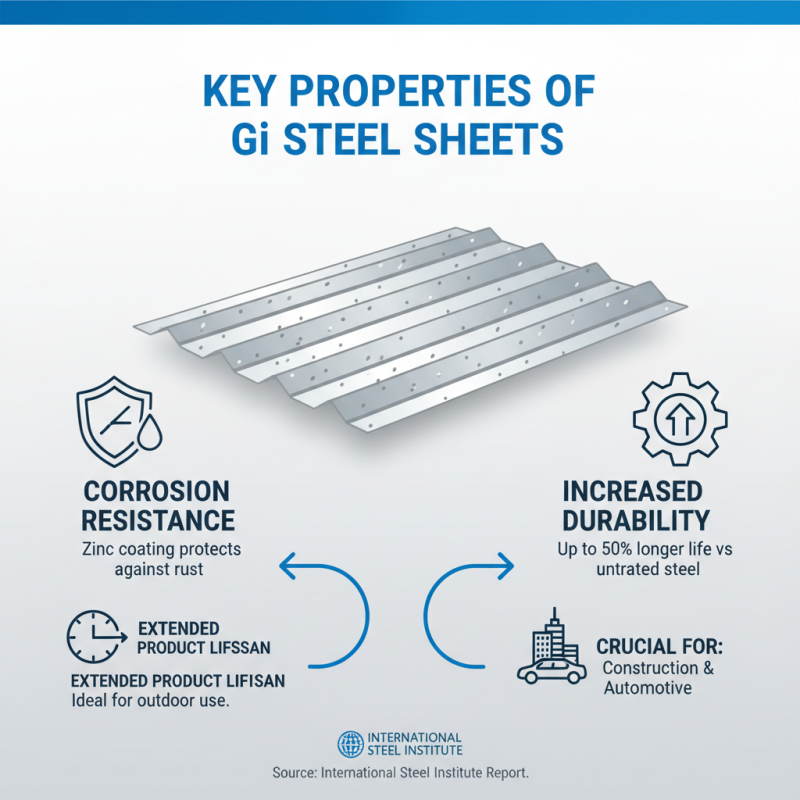
Gi steel sheets are gaining recognition in industrial applications due to their advantageous properties. Their corrosion resistance is significant, thanks to the zinc coating. This feature extends the lifespan of products, making them ideal for outdoor use. According to a report by the International Steel Institute, the use of galvanized steel can increase durability by up to 50% compared to untreated steel. This property is crucial for construction and automotive industries, where material longevity is key.

Another important aspect is the formability of gi steel sheets. The ability to easily shape and manipulate the material allows for diverse applications. In manufacturing, this adaptability leads to more innovative designs. However, producing gi steel sheets requires careful temperature control. Even slight deviations can affect quality. Research shows that maintaining the right temperatures during galvanization can optimize mechanical properties.

Moreover, gi steel sheets exhibit excellent weldability. This feature makes them suitable for complex assemblies. A report by the American Welding Society highlights that nearly 70% of professionals prefer gi steel for welding projects. While these properties make gi steel sheets a popular choice, it’s essential for manufacturers to focus on quality control processes. Inconsistent quality can lead to failures in demanding environments, indicating the need for ongoing assessments and improvements.

Primary Uses of Gi Steel Sheets in Construction and Manufacturing

Gi steel sheets play a crucial role in construction and manufacturing. They are lightweight yet durable, making them a preferred choice. Often used in roofing, walls, and industrial structures, they provide excellent resistance to corrosion. This makes them ideal for environments with high moisture levels.

In manufacturing, Gi steel sheets are widely used for creating appliances and components. Their flexibility allows for easy shaping and cutting, which is essential for various applications. However, one must consider the quality of the coating to ensure longevity. A poorly applied layer can lead to accelerated wear and rust.

Tips: Always inspect the sheets for any signs of damage before use. Proper storage can help maintain their condition. Make sure to source from reputable suppliers to ensure you get the best quality for your projects. Remember, paying attention to detail can prevent future issues.

Discover the Best Uses and Benefits of Gi Steel Sheet in 2026

Use Case Sector Benefits Durability
Roofing Sheets Construction Corrosion resistance, lightweight 20+ years
Structural Components Manufacturing High strength-to-weight ratio 30+ years
Automotive Parts Automotive Cost-effective, efficient production 15+ years
Fencing Agriculture Protective, long-lasting 10+ years
HVAC Ductwork HVAC Thermal efficiency, easy installation 20+ years

Environmental Benefits of Using Gi Steel Sheets

The environmental benefits of using GI steel sheets are increasingly recognized in 2026. These sheets are made from zinc-coated steel, which enhances durability and resistance to corrosion. This quality significantly extends the lifespan of structures, reducing the need for frequent replacements. Fewer resources are required for manufacturing, leading to lower energy consumption.

Moreover, GI steel sheets are recyclable. When a building is demolished, these sheets can be collected and repurposed. This process minimizes waste and promotes a circular economy. Not to mention, steel recycling uses far less energy than producing new steel. This practice contributes to substantial reductions in carbon emissions.

However, there is a need for careful sourcing. Not all manufacturers follow stringent environmental standards. Ensuring that raw materials come from sustainable sources is crucial. It's essential to balance the benefits with responsible practices. Evaluating local supply chains can help mitigate the environmental impacts associated with transportation.

Discover the Best Uses and Benefits of Gi Steel Sheet in 2026

In 2026, the Gi Steel Sheet is anticipated to benefit multiple industries significantly. The chart above illustrates the importance level of Gi Steel Sheets in various applications, including construction, automotive, manufacturing, home appliances, and the marine industry.

Future Trends and Innovations in Gi Steel Sheet Technology

The future of Gi steel sheet technology promises fascinating trends and innovations in 2026. Currently, industries leverage Gi steel sheets for their excellent corrosion resistance and durability. As advancements in coating technologies emerge, manufacturers create even more resilient and lightweight sheets. This innovation not only enhances functionality but also significantly reduces raw material consumption.

To maximize the benefits of Gi steel sheets, companies should focus on continuous research. Collaborating with material scientists can unlock new methodologies to enhance product performance. Investing in automated production processes can increase efficiency while maintaining quality. Embracing smart manufacturing can also optimize inventory management.

Keep in mind the evolving market demands. The focus on sustainability will reshape how Gi steel sheets are produced and utilized. Companies must consider eco-friendly practices, such as recycling and reducing waste in production. Reflecting on these trends can lead to better approaches and understanding of industry needs and customer expectations.