How to Choose the Best Roofing Sheet for Your Project?
Choosing the right roofing sheet is crucial for any construction project. John Smith, a roofing expert with over 20 years of experience, emphasizes, "The right roofing sheet can make or break your structure." With various materials available, selecting the best option can be overwhelming.
When considering roofing sheets, factors such as durability, cost, and climate play vital roles. Materials like metal, asphalt, and polycarbonate each have unique advantages. For instance, metal roofing sheets offer longevity but can be pricier. Asphalt sheets are budget-friendly, yet they may require more maintenance.
Your choice should align with the specific needs of your project. Reflect on the environmental conditions and the aesthetic appeal. Remember, what works for one project may not suit another. Take time to weigh all options carefully. The ultimate goal is to ensure that your roofing sheet selection enhances both functionality and style.
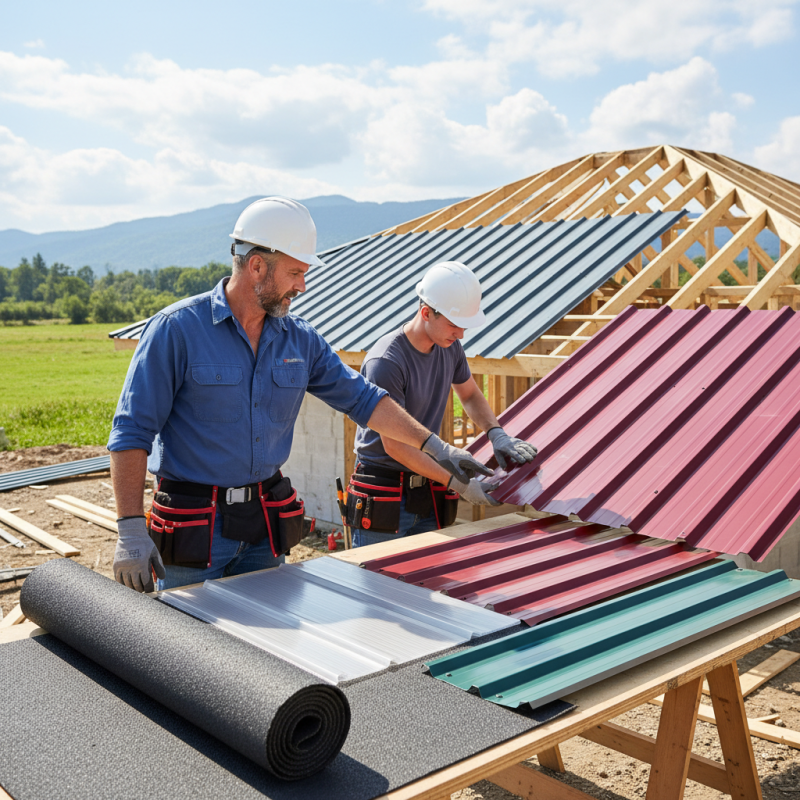
Understanding Different Types of Roofing Sheets: Materials and Performance
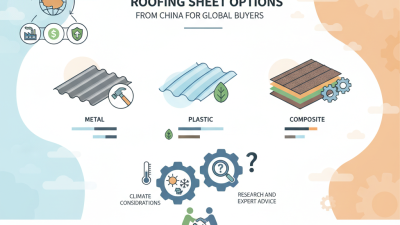
Choosing the right roofing sheet is crucial for your project. Different materials have unique properties that affect durability, insulation, and cost. Common options include metal, asphalt, and polycarbonate. Each material offers varying levels of strength and performance in different weather conditions.
Metal roofing sheets are popular for their longevity and resistance to harsh environments. They can last decades with proper maintenance. However, they may require insulation to reduce noise during rain. Asphalt sheets are cost-effective and easy to install. They provide decent insulation, but their lifespan is generally shorter than metal options.
Polycarbonate sheets are lightweight and offer excellent light transmission. They are ideal for greenhouses and outdoor structures. However, they can be less durable against impact. When choosing, consider the long-term performance and maintenance needs of each type. Relying solely on aesthetics can lead to costly mistakes. Evaluating each material’s pros and cons will lead to a better decision for your specific needs.
Evaluating Climate Suitability for Your Chosen Roofing Sheet Material
When selecting roofing sheets, evaluating the climate is essential. Different materials respond uniquely to weather conditions. For instance, metal roofing reflects sunlight, making it suitable for hot regions. However, in extremely cold areas, metal can become slick and may not retain heat effectively.
Consider the intensity of rainfall in your area. Some materials, like asphalt shingles, may perform well in moderate rain but could struggle with heavy downpours. Similarly, certain roofing sheets can warp or degrade over time when exposed to high humidity or frequent storms. It's crucial to analyze past weather patterns and anticipate future changes.
Are you prepared for unexpected weather events? For some roofing materials, their longevity can be compromised by severe wind or hail. Understanding these factors helps ensure you make a sound investment. Don't overlook the potential need for maintenance in harsher climates. Finding a balance between style and functionality while considering local climate challenges will lead to better decisions. Reflect on your choices and do thorough research to ensure your roofing meets climate demands effectively.
Cost Analysis: Budgeting for Various Roofing Sheet Options
When budgeting for roofing sheets, cost is a major factor. According to a recent report by the National Roofing Contractors Association (NRCA), roofing materials can account for nearly 50% of total project costs. The average price range for metal roofing spans from $3.50 to $11 per square foot, depending on material type and gauge. In comparison, asphalt shingles can range from $1.50 to $5.50 per square foot.
Consider installation costs too. Some roofing sheets require specialized labor. For instance, metal sheets need skilled workers, leading to higher labor expenses. On the other side, asphalt shingles tend to be easier for roofers to install, sometimes lowering these costs. According to the HomeAdvisor cost guide, hiring a roofing contractor can add another $1 to $2 per square foot.
Also, durability plays a critical role in the overall cost analysis. Metal roofing may require an upfront investment, but its lifespan can exceed 50 years. In contrast, asphalt shingles last about 20 years on average. Evaluating long-term expenses versus initial costs can guide your decision. This reflection on value versus price is crucial when selecting roofing materials for your project.
Longevity and Maintenance Requirements of Different Roofing Materials
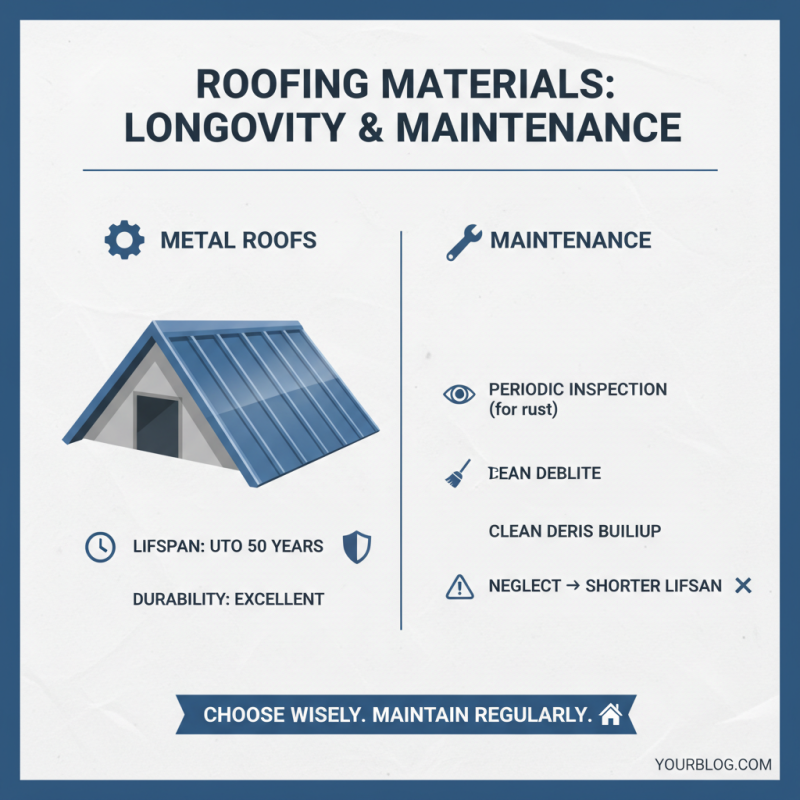
When selecting roofing materials, longevity and maintenance requirements are crucial factors. Metal roofs, for instance, can last up to 50 years, offering excellent durability. However, they do require periodic maintenance. You need to inspect for rust and clean any debris buildup. Neglecting these tasks can shorten their lifespan.
Asphalt shingles are commonly used due to their affordability, but their longevity often only reaches 20 years. While they are easy to install, they require regular inspections after heavy storms. Missing or damaged shingles need immediate attention. If overlooked, leaks can develop, leading to costly repairs.
Tile roofing, though aesthetically pleasing, demands more maintenance. Mold and algae can grow in humid climates. While tiles can last over 100 years, their weight requires a sturdy structure. This adds complexity to the installation. Assessing your building's capacity is fundamental. All roofing materials come with pros and cons. The right choice depends on your specific situation.
Local Building Codes and Regulations Impacting Roofing Sheet Selection
When selecting roofing sheets for your project, local building codes play a crucial role. These regulations dictate the materials and installation methods allowable in your area. They ensure safety, sustainability, and adherence to community standards. Often, codes specify the minimum requirements for durability, fire resistance, and weather performance. This means your choices might be limited based on where you live.
Consulting local building authorities can provide valuable insight. They can help you understand the specific codes applicable to roofing materials. For instance, some regions prioritize materials that can withstand severe weather conditions or are environmentally friendly. Ignoring these regulations can lead to costly fines or the need to redo work. It’s essential to do this research early in your planning phase to avoid setbacks later.
However, interpreting building codes can be tricky. They can vary significantly from one area to another, even between suburbs. Sometimes, homeowners assume their choice is compliant without double-checking. This can lead to problems down the line. Being aware of these codes now can save you confusion and expense in the future. Always factor them into your roofing decision process to ensure a successful outcome.