How to Choose the Right Cold Rolled Steel Sheet for Your Needs?
Choosing the right Cold Rolled Steel Sheet can be a daunting task. With various options available, making an informed decision is crucial. Industry expert Dr. Emily Carter notes, "Selecting the correct Cold Rolled Steel Sheet directly impacts the final product’s performance." This insight emphasizes the importance of understanding your specific needs.
Assessing your requirements is the first step. Think about the application. Are you using it for automotive parts, appliances, or construction? Each application demands different properties. Consider factors like thickness and surface finish. These impact strength and appearance.
A common mistake is overlooking the supplier’s credibility. Not all manufacturers follow the same quality standards. Look for established players in the Cold Rolled Steel Sheet market. Their experience often ensures reliability. This decision can save you both time and money in the long run. Remember that the right choice influences not just the product, but also your project's success.
Understanding Cold Rolled Steel: Characteristics and Benefits
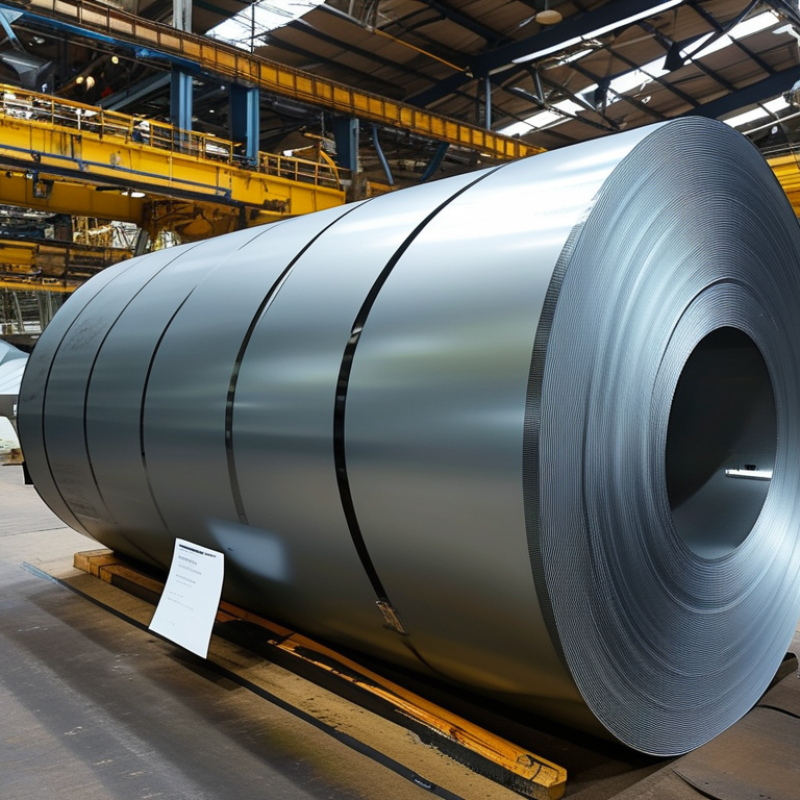
Cold rolled steel is known for its distinct characteristics and benefits. It typically undergoes a process that enhances its mechanical properties. This steel is known for its superior surface finish. The tight tolerances make it suitable for precision applications. Industries often prefer it for automotive and appliance manufacturing, where quality is crucial.
The strength of cold rolled steel is impressive. Its yield strength often surpasses that of hot rolled steel. This means that it can withstand greater stress and pressure. The steel's ductility allows it to be formed into various shapes. However, with these benefits, cold rolled steel may not be the best choice for every project. It can be more expensive than hot rolled steel, which might not be justified for all applications.
Additionally, this type of steel is more susceptible to corrosion. Protective coatings or proper storage methods become important. Users must carefully weigh these factors against their needs to choose wisely. Understanding these characteristics can lead to better decisions in manufacturing and construction projects. The choice should align with specific project requirements.
Types of Cold Rolled Steel Sheets: A Comprehensive Overview
Cold rolled steel sheets are popular in various industries due to their strength and surface finish. Understanding the different types available is crucial. Commonly, these sheets are characterized by their thickness, strength, and application. For instance, thickness typically ranges from 0.3 mm to 3 mm, making them versatile.
There are several types of cold rolled steel sheets. Commercial-grade sheets are popular for everyday use. These sheets offer a good balance of formability and strength. High-strength sheets, however, have greater tensile strength, suitable for demanding applications. A study by the American Iron and Steel Institute points out that high-strength sheets can improve overall product durability by up to 30%.
Some manufacturers provide custom-grade sheets tailored for specific applications. These sheets often have unique coatings or enhanced properties. Yet, it’s important to note that purchasing such materials requires a keen understanding of your needs. Misalignment between sheet characteristics and project requirements may lead to costly errors. Therefore, evaluating the necessary specifications carefully helps in making informed decisions.
Key Factors to Consider When Choosing Cold Rolled Steel
Selecting the right cold rolled steel sheet can be challenging. It's essential to consider several key factors to ensure it meets your needs. One primary factor is thickness. Thicker sheets offer more strength, but they can be heavier and harder to work with. In contrast, thinner sheets are more manageable but may lack the rigidity required for some applications.
The surface finish is another crucial aspect. Different finishes provide varying levels of protection against corrosion. A smooth finish may be ideal for aesthetic applications, while a rough finish could enhance traction in specific environments. When evaluating finishes, think about how the steel will be used. Will it face exposure to harsh conditions?
Tips: Always ask for samples before finalizing your choice. Testing the steel in real conditions can reveal performance issues. Also, consider the coating options available. Galvanization may be necessary for outdoor use. It's essential to assess what might not be ideal in each scenario to make a better-informed decision. Sometimes, the perfect choice is a blend of materials and finishes tailored to your unique requirements.
How to Choose the Right Cold Rolled Steel Sheet for Your Needs? - Key Factors to Consider When Choosing Cold Rolled Steel
| Factor |
Description |
Importance Level |
Common Applications |
| Thickness |
The gauge of the steel sheet which affects its strength and application suitability. |
High |
Automotive parts, appliances |
| Finish |
Surface treatment that impacts appearance and corrosion resistance. |
Medium |
Decorative items, furniture |
| Mechanical Properties |
Includes yield strength, tensile strength, and ductility of the steel. |
High |
Structural components, frameworks |
| Cost |
The price per sheet which affects budget and procurement decisions. |
Medium |
General manufacturing |
| Compatibility |
How well the steel sheet works with other materials in a project. |
High |
Assembly applications |
Applications of Cold Rolled Steel: Selecting for Specific Uses
Cold rolled steel sheets are crucial in various industries. Their applications range from automotive parts to appliances. According to the American Iron and Steel Institute, over 60% of cold rolled steel is used in the manufacturing sector. This makes understanding their specific uses vital for making an informed choice.
When selecting cold rolled steel, consider the intended application. For instance, thickness plays a key role in strength and durability. A report by the World Steel Association states that gauges vary from 0.015 to 0.135 inches. Thinner sheets are ideal for intricate designs, while thicker options increase structural integrity. Automotive industries often favor thicker sheets for safety features, while appliance manufacturers may opt for lighter gauges.
Surface finish is another factor. Cold rolled steel can be smooth or have a texture that enhances aesthetics. Some industries require a specific finish for paint adhesion. This specificity can impact manufacturing time and costs. Each application demands attention to detail to ensure optimal performance. Consideration of these factors can sometimes feel overwhelming, but refining choices is essential to prevent costly errors in production.
Comparing Cold Rolled and Hot Rolled Steel: Making an Informed Choice
When comparing cold rolled and hot rolled steel, it's crucial to understand their distinct properties and applications. Cold rolled steel is produced at room temperature, resulting in a smoother surface and tighter tolerances. This makes it ideal for precision applications. According to the World Steel Association, cold rolled steel typically has a tensile strength of around 450 MPa, which is significantly higher than hot rolled steel, usually around 250 MPa.
Hot rolled steel, conversely, is shaped at high temperatures. This process allows for easier shaping, making it cost-effective for large structures. However, its surface finish is rougher and less precise. The American Institute of Steel Construction reports that hot rolled steel is commonly used in construction and heavy manufacturing due to its ductility and formability.
Choosing the right type depends heavily on the application requirements. If aesthetics and tolerances are paramount, cold rolled steel is preferable. However, if the project requires high structural integrity at a lower cost, hot rolled steel might be the better choice. It’s essential to weigh these factors carefully, as the wrong material can lead to inefficiencies and increased costs down the line.
Comparison of Cold Rolled and Hot Rolled Steel Sheets