How to Choose the Right Steel Material for Your Project?
Choosing the right steel material for your project can be a challenging task. Understanding the specific needs of your application is key. According to Dr. Emily Morgan, a leading expert in steel engineering, "The right material can make or break your project's success." Her insight underscores the importance of proper selection.
Steel materials come in various grades and compositions. Each type serves different purposes in construction, manufacturing, and other industries. Factors such as strength, weight, corrosion resistance, and cost significantly influence decisions. Choosing incorrectly can lead to structural failures or increased expenses.
Consider how the environment affects your choice. For example, coastal projects may require stainless steel due to its corrosion resistance. Meanwhile, heavy-load applications may benefit from high-strength steel. The nuances of selecting steel materials are often overlooked, yet they are critical for long-term sustainability. Reflecting on these aspects can save time and resources in the long run.

Understanding Different Types of Steel Materials Available
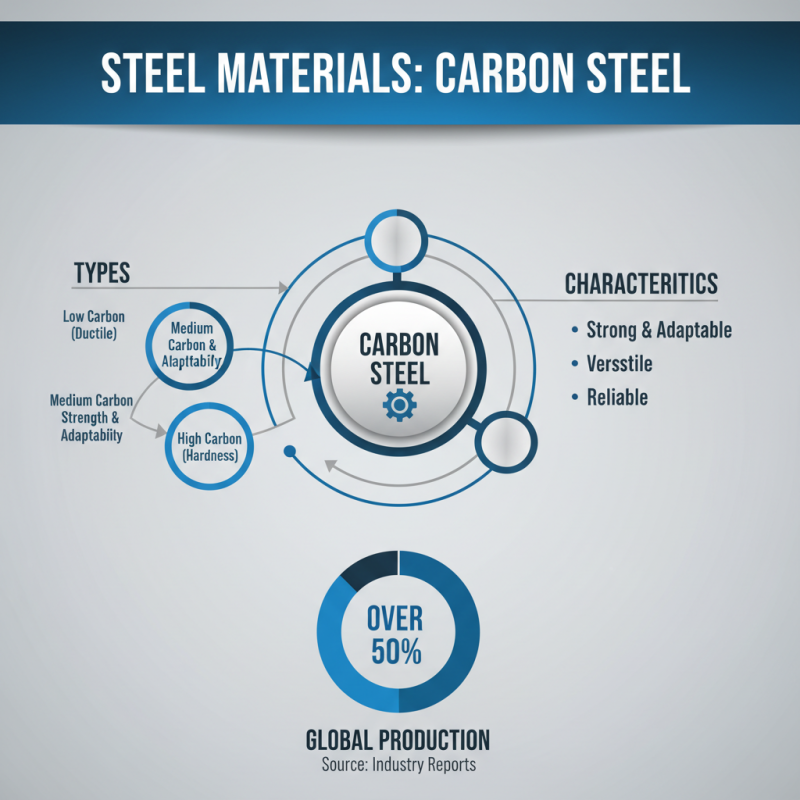
When selecting steel materials for a project, understanding the characteristics of different types is essential. Carbon steel, for instance, is widely used for its strength and adaptability. It is available in low, medium, and high carbon varieties, making it suitable for diverse applications. According to industry reports, carbon steel accounts for over 50% of the global steel production, showcasing its popularity and reliability.
Stainless steel, on the other hand, is known for its corrosion resistance. It's often used in environments exposed to moisture or chemicals. Its composition typically includes chromium, which enhances the protective oxide layer on its surface. Data from the World Steel Association indicates that stainless steel production has increased by 3% annually, reflecting its growing demand.
**Tip:** Consider the environment where the steel will be used. Will it be exposed to corrosive elements?
Another important type is alloy steel. This type combines carbon steel with other metals to improve properties such as weldability and durability. Some common alloying elements include nickel, chromium, and molybdenum. Recent surveys show a rising trend in using alloy steel in construction and automotive sectors, driven by its enhanced performance characteristics.
**Tip:** Evaluate the specific requirements of your project. What are the load and stress factors involved?
Evaluating the Mechanical Properties of Steel for Your Needs
When evaluating the mechanical properties of steel for your project, several key factors come into play. Tensile strength, yield strength, and ductility are essential properties that define how steel behaves under different loads. For example, high-strength low-alloy (HSLA) steels typically exhibit a tensile strength of around 400-550 MPa, making them suitable for structural applications. Understanding these values helps ensure that the chosen material meets safety and performance standards.
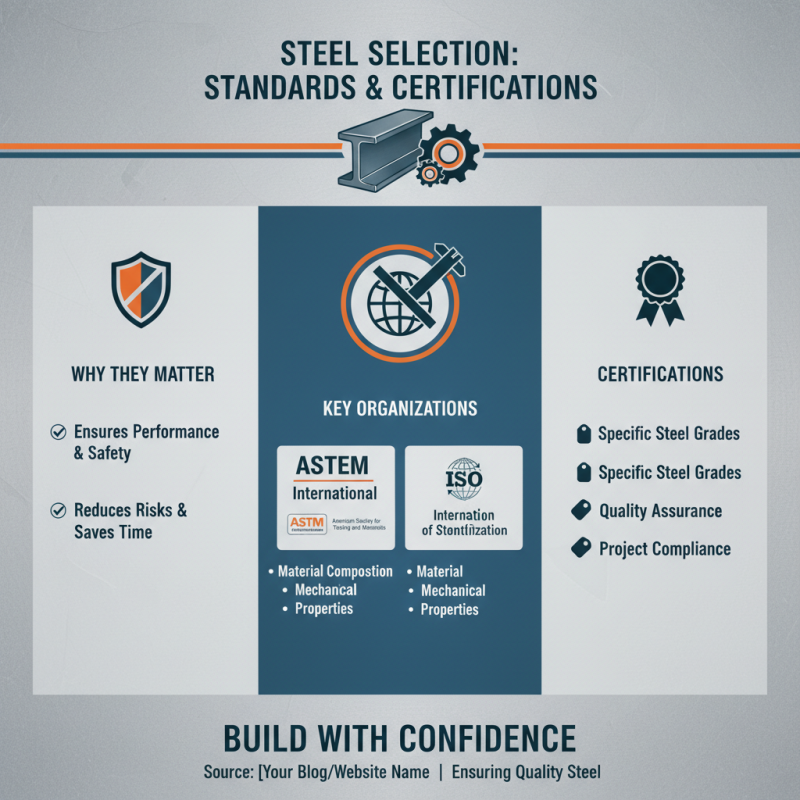
Tips: Consider the specific demands of your project. Are there high loads or dynamic forces at play? If so, select steel with higher tensile strength. Always refer to industry standard reports like ASTM A992 for structural steel and ASTM A36 for general use, as these provide essential guidelines for mechanical properties.
Moreover, don't overlook ductility. It's crucial for preventing sudden failure. Steel with a lower ductility may crack under stress, leading to catastrophic outcomes. Aim for materials with elongation percentages above 20% for safety in most applications. Be prepared to reassess your options, especially if initial tests reveal unexpected deficiencies in your selected material.
Mechanical Properties of Different Steel Grades
Considering Corrosion Resistance in Steel Selection
When selecting steel for your project, corrosion resistance is crucial. Steel naturally oxidizes when exposed to moisture and air. However, some steel types resist corrosion better than others. Choosing the right one can enhance durability and reduce maintenance costs.
Consider environmental exposure when selecting steel. Coastal areas or industrial sites increase corrosion risk. In such cases, high alloy steels or protective coatings may be necessary. On the other hand, if the project budget is tight, opting for lower-grade steel might be tempting, but this could lead to higher long-term costs.
Tips: Always ask for test results of the steel's corrosion resistance. Look for projects similar to yours and see which material was effective. Documenting your choices helps in future projects, too. A reflective approach is vital; analyze past mistakes to improve decision-making. Choose wisely to ensure the longevity of your project.
Assessing Cost Factors in Choosing Steel Materials
When assessing cost factors in choosing steel materials, several key elements come into play. The initial price of the steel is often just the tip of the iceberg. Consider additional costs such as transportation, handling, and storage. These expenses can quickly add up. It’s crucial to evaluate whether the steel's price reflects its quality. Cheaper options might compromise durability, leading to higher maintenance costs later.
Moreover, the type of project influences cost. For instance, structures that require high-strength steel can be pricier upfront. Yet, they often lead to savings over time due to reduced weight and material usage. It's also worth contemplating the environmental impact and recycling aspects of steel. Sustainable choices may come with a higher price tag but can provide long-term benefits.
Ultimately, reflecting on the overall budget is vital. Are you sacrificing quality for lower costs? Investing in the right material pays off in longevity and performance. Think critically about each option. The right choice today can prevent unexpected expenses tomorrow.