Leave Your Message

What Are Galvanized Coils and How Are They Used?

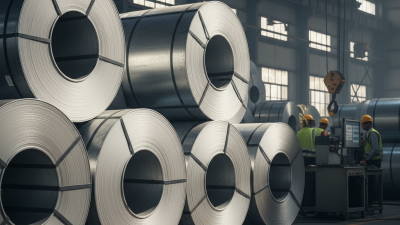
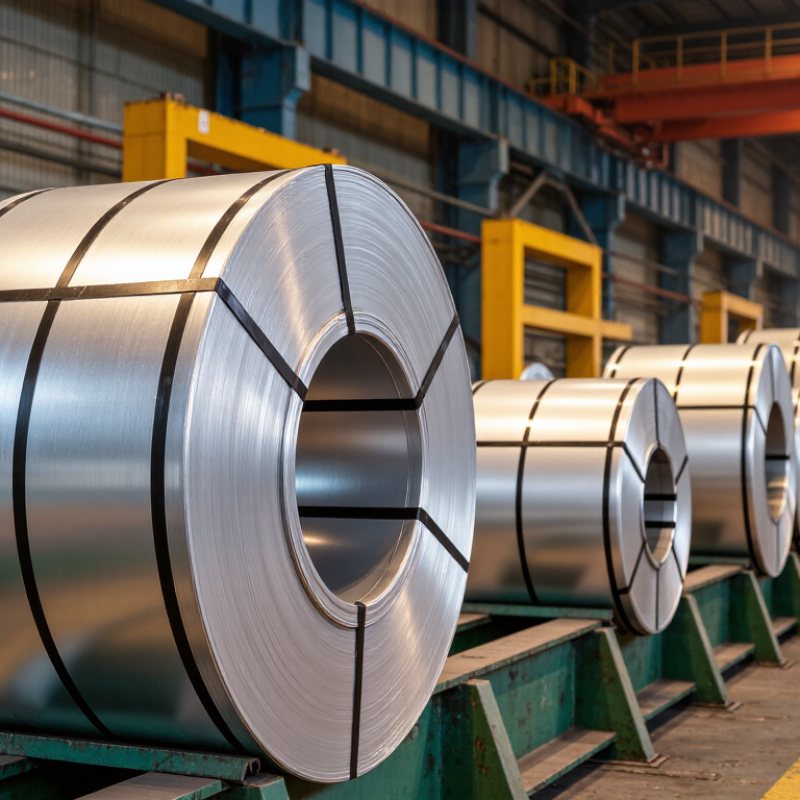
Galvanized Coils are flat steel strips protected by a zinc coating, usually applied through continuous hot-dip galvanizing. The process creates a bright, metallic surface that resists moisture, scratches, and atmospheric corrosion. In a modern mill, enormous steel coils pass through molten zinc at controlled temperatures. Rollers remove excess coating, while sensors monitor thickness within seconds. The result is practical, measurable protection rather than decorative shine.

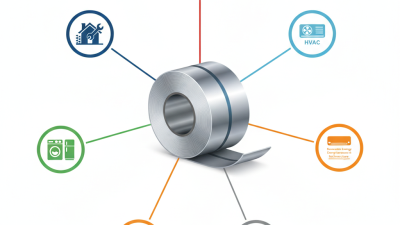
The scale is substantial. The World Steel Association reported 1,888.2 million tonnes of crude steel production worldwide in 2023. Meanwhile, the International Zinc Association identifies galvanizing as zinc’s largest end-use, representing roughly 60% of demand. These figures explain why Galvanized Coils remain important in roofing, automotive panels, HVAC ducts, appliances, agricultural buildings, and structural components. Market forecasts vary, however, because analysts define “galvanized steel” differently. That limitation deserves attention.

Corrosion authority R. Winston Revie described the core problem clearly: “Corrosion is the degradation of a material by reaction with its environment.” His statement remains relevant on a wet construction site or beside a salted highway. Zinc does more than cover steel. It can provide barrier protection and sacrificial protection when exposed. Still, coating performance depends on thickness, forming, storage, drainage, and the surrounding atmosphere. A coil stored under trapped condensation may fail earlier than expected. This guide examines what Galvanized Coils are, how manufacturers produce them, and where engineers use them. It also questions easy assumptions. No coating is permanent, and no specification replaces careful design.

What Are Galvanized Coils and How Are They Used?

What Galvanized Coils Are and How They Are Made

Galvanized coils are continuous steel sheets protected by a zinc coating. Manufacturers usually begin with cold-rolled steel, which has a smooth, controlled surface. The strip passes through cleaning tanks to remove oil, dust, and mill scale. It is then heated and annealed to improve flexibility. After that, the moving steel enters a bath of molten zinc. The zinc bonds to the surface and forms a protective layer. Air knives control the coating thickness as the strip leaves the bath. The finished sheet is cooled, inspected, and coiled for transport.

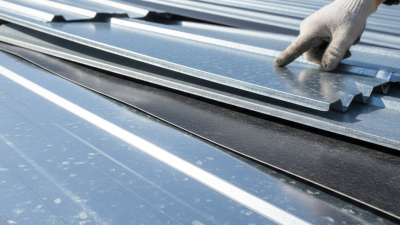
Coating weight, steel grade, surface finish, and coil thickness affect performance. Some coils have a visible crystal pattern called spangle. Others receive a minimized-spangle finish for a smoother appearance. Galvanized coils are later formed into roofing panels, ductwork, wall systems, cable trays, and automotive components. Zinc protects exposed steel by creating a barrier and providing sacrificial protection around small scratches. It is not magic. Poor storage, trapped moisture, or cut edges can still cause corrosion. That detail is easy to overlook.

Tips: Keep coils dry and well ventilated during storage. Avoid dragging them across rough floors. Check coating specifications before fabrication, especially for outdoor projects. In practice, even a strong coating can fail when handling damage is ignored. I have found that careful inspection saves more trouble than a quick visual check. Surface appearance alone can mislead.

Key Properties and Protective Benefits of Galvanized Steel

Galvanized coils are steel sheets coated with zinc to resist corrosion during storage, fabrication, and service. The zinc layer creates a physical barrier against moisture, oxygen, and many everyday pollutants. More importantly, zinc can protect exposed steel at small scratches through sacrificial action. It corrodes before the underlying steel does.

This protection makes galvanized coil useful for roofing panels, ventilation ducts, wall framing, appliance parts, and vehicle components. In practical fabrication, the coil must be checked for coating consistency, surface marks, edge damage, and forming quality. A smooth appearance helps, but it is not enough. Coating mass and adhesion also affect long-term performance. During cutting and bending, careful tooling reduces cracking and preserves the protective layer.

No coating is perfect. Condensation, trapped dirt, salt exposure, and poor drainage can shorten its service life. White rust may appear when tightly packed coils remain damp, especially during storage. That problem is preventable, but not always prevented. Engineers should match the zinc coating to the environment, expected service period, and forming requirements. They should also protect cut edges when the application demands extra durability. Galvanized steel is reliable, yet its performance depends on handling, design, and maintenance—not only on the zinc itself.

Galvanized Steel: Zinc Coating Mass and Approximate Thickness

Greater zinc coating mass generally provides a thicker barrier and longer-lasting corrosion protection.

The chart uses common continuous hot-dip galvanized coating masses. Approximate thickness is calculated from zinc density of 7.14 g/cm³, with coating mass representing both sides of the steel sheet. Zinc protects steel by forming a physical barrier and by providing sacrificial protection when the surface is scratched.

Common Types and Surface Finishes of Galvanized Coils

Galvanized coils are steel sheets protected by a zinc layer, usually applied through continuous hot-dip galvanizing. The International Zinc Association reports that galvanizing consumes about 60% of global zinc demand. This explains its importance in construction, automotive panels, ventilation ducts, and agricultural equipment.

Hot-dip galvanized coils are the common industrial choice. They offer a thicker zinc coating and strong outdoor corrosion resistance. Electrogalvanized coils have a thinner, more uniform coating, making them suitable for painted automotive parts and indoor components. Zinc-iron alloy coatings improve paint adhesion and forming performance. However, they need careful process control.

Surface finish changes both appearance and production behavior. Regular spangle shows visible crystalline patterns. Minimized-spangle and zero-spangle finishes look smoother, which helps exposed panels and high-quality painting. Skin-passed coils receive light rolling after galvanizing, improving flatness and surface texture. Oiled coils reduce temporary rust during transport, while passivated surfaces provide additional storage protection.

Small details matter. ASTM A653/A653M classifies coating mass and mechanical requirements for hot-dip coated sheet. The World Steel Association reported approximately 1.89 billion tonnes of crude steel production in 2023, showing the scale of the wider steel supply chain. Yet coating mass alone does not guarantee service life. Edge exposure, forming damage, drainage, and local humidity can change results. A smoother finish is not always the best finish. Application testing remains necessary.

How Galvanized Coils Are Used Across Different Industries

Galvanized coils are steel sheets coated with zinc for stronger corrosion resistance. The coating protects exposed edges and surfaces from moisture, salt, and industrial pollutants. Hot-dip galvanizing remains common because it creates a metallurgical bond between steel and zinc. The result is practical, not perfect.

Construction uses the largest volume of galvanized coil. Roofing panels, wall cladding, ductwork, studs, and framing components depend on its clean surface and stable thickness. World Steel Association statistics report about 1.88 billion tonnes of crude steel production in 2023. A small share becomes galvanized sheet, yet its reach is broad.

Zinc matters here. The International Zinc Association estimates galvanizing consumes roughly 60% of global zinc output. That figure varies by region and reporting method.

Automotive manufacturers use galvanized coils for body panels, floor sections, doors, and reinforcement parts. The coating helps vehicles tolerate wet roads and de-icing salts. Appliance makers form it into washing-machine cabinets, refrigerator panels, and heat-pump housings. Industrial equipment uses galvanized sheet for cable trays, enclosures, storage racks, and ventilation systems. Agriculture adds another demanding setting. Grain bins, greenhouse structures, and livestock buildings face ammonia, condensation, and abrasion.

Field experience shows a weakness. Scratches, cut edges, and trapped moisture can still trigger rust. Coating mass, steel grade, forming method, and paint compatibility must match the application. Thicker zinc is not automatically better. In some assemblies, drainage design matters more than extra coating.

USGS Mineral Commodity Summaries 2025 estimates global zinc mine production at about 13 million tonnes in 2024, reminding buyers that material selection also depends on supply conditions.

Factors to Consider When Choosing Galvanized Coils

Galvanized coils are steel sheets coated with zinc to resist rust and extend service life. They are commonly slit, roll-formed, stamped, or cut into roofing panels, ducts, automotive parts, and building frames. The right coil, however, depends on more than its bright surface.

Start with the intended environment. Outdoor structures near saltwater need a heavier zinc coating than indoor partitions. Coating weight, often listed in grams per square meter, strongly affects corrosion protection. Steel thickness and yield strength also matter. Thin material may reduce weight, but it can buckle during forming. Higher-strength steel may perform better, yet it can require greater forming force. Test the bend radius before placing a large order.

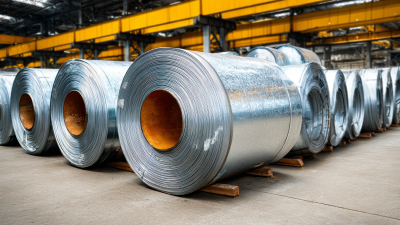
Surface finish deserves close attention. A uniform coating supports painting and improves appearance, while rough areas may cause problems in exposed panels. Check coil width, edge condition, flatness, and dimensional tolerance against the production line. Moisture trapped between tightly wound coils can create storage stains, especially in humid warehouses. Keep coils dry and allow air circulation. Do not rely on appearance alone.

Ask for inspection records covering coating weight, steel grade, thickness, and mechanical properties. Traceable certificates make quality decisions more reliable. In practical work, delivery consistency can matter as much as laboratory results. A coil that meets the specification but arrives with damaged edges may still create costly waste. I have also seen teams choose the thickest coating automatically, then discover unnecessary forming difficulty. More protection is not always better. Evaluate performance, processing needs, budget, and the manufacturer’s technical evidence together.