Why Steel Bar Is Essential for Construction Projects?
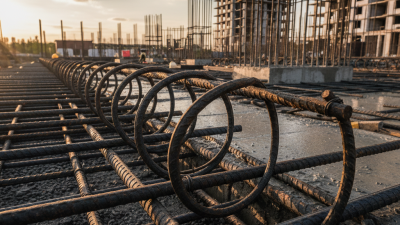
In the realm of construction projects, the role of "Steel Bar" cannot be overstated. Steel bars, often referred to as rebar, reinforce concrete structures, ensuring their strength and durability. They provide essential tensile strength, which concrete lacks on its own. Without adequate reinforcement, buildings may succumb to stresses over time, leading to potential failures.
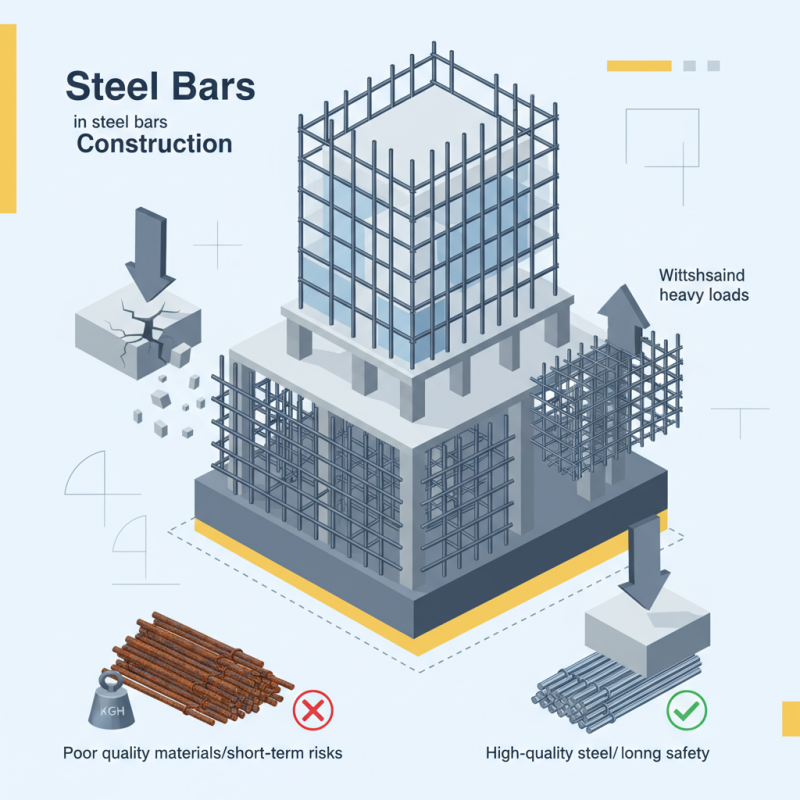
The construction industry relies heavily on steel bars during various stages of building. They are essential for foundations, walls, and slabs. Their ability to withstand heavy loads stabilizes structures under challenging conditions. However, not all steel bars are created equal. Variations in quality can impact project reliability.
Investing in high-quality steel bars lays a vital foundation for safety. Poor-quality materials might offer short-term savings but pose long-term risks. It’s crucial to assess supplier credentials and material specifications. Relying on trusted manufacturers adds a layer of assurance in construction integrity. In a field where each element contributes to overall safety, the significance of steel bars should never be overlooked.
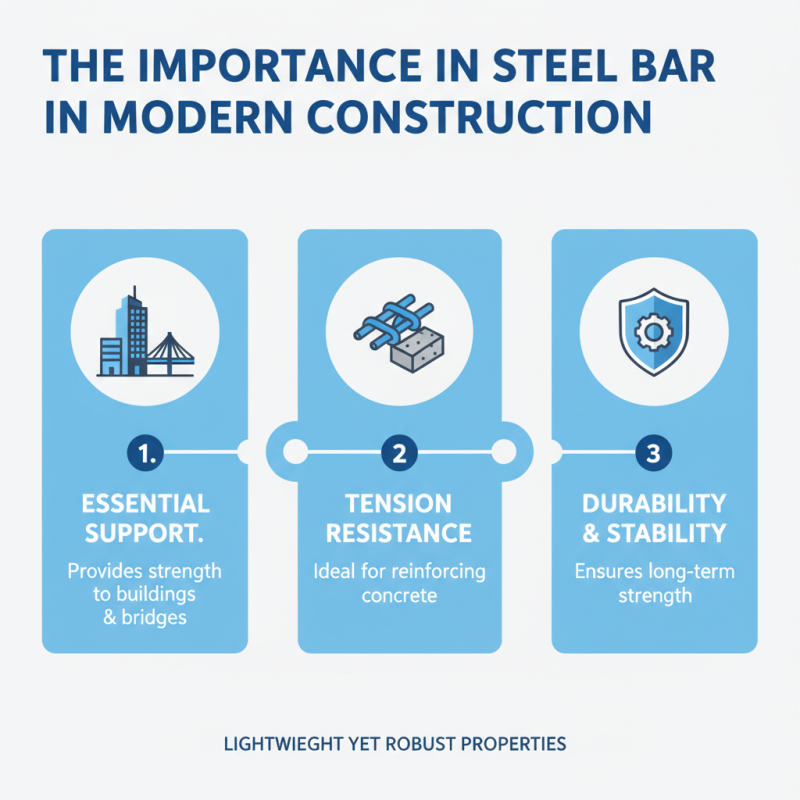
The Importance of Steel Bar in Modern Construction Techniques
Steel bars play a crucial role in modern construction techniques. They provide essential support and strength to buildings, bridges, and other structures. The ability of steel to withstand tension makes it an ideal material for reinforcing concrete. This combination ensures durability and long-term stability. Many engineers leverage steel bars for their lightweight yet robust properties.
When using steel bars, precision in measurement is key. Ensure you calculate the correct lengths and placements accurately. This practice minimizes waste and costs. Proper installation techniques are vital. Use adequate spacing to allow for expansion and contraction.
Engaging with local construction experts can enhance your understanding. Their insights can guide the best practices in steel usage. Remember that not all projects require the same type of reinforcement. Evaluate the specific needs of your construction project carefully. Embrace the adaptability of steel bars but remain cautious about over-engineering. Balancing strength with efficiency is essential for sustainable development.
Statistics on Steel Bar Usage in Global Infrastructure Projects
Steel bars play a crucial role in construction projects. Their strength and durability make them an essential material. In global infrastructure, steel bar usage statistics reveal its significance. Approximately 1.5 billion tons of steel are produced annually, with a substantial portion dedicated to construction. This highlights the material’s demand and importance.
Developing countries lead in steel consumption for infrastructure. Nations like China and India utilize vast amounts of steel bars. In urban areas, around 60% of construction materials consist of steel. This reliance shapes the skyline of modern cities. Yet, the environmental impact of steel production raises concerns. The carbon footprint is significant, leading to a need for more sustainable practices.
The construction industry must address these challenges. Innovations in recycling steel can reduce waste and energy usage. There is a growing trend toward using alternative materials, but steel remains resilient. As construction projects evolve, a balanced approach is essential. Using steel bars has complexities that demand attention and reflection. This ensures that while meeting demands, the industry remains responsible.
Mechanical Properties of Steel Bar and Their Impact on Structural Integrity
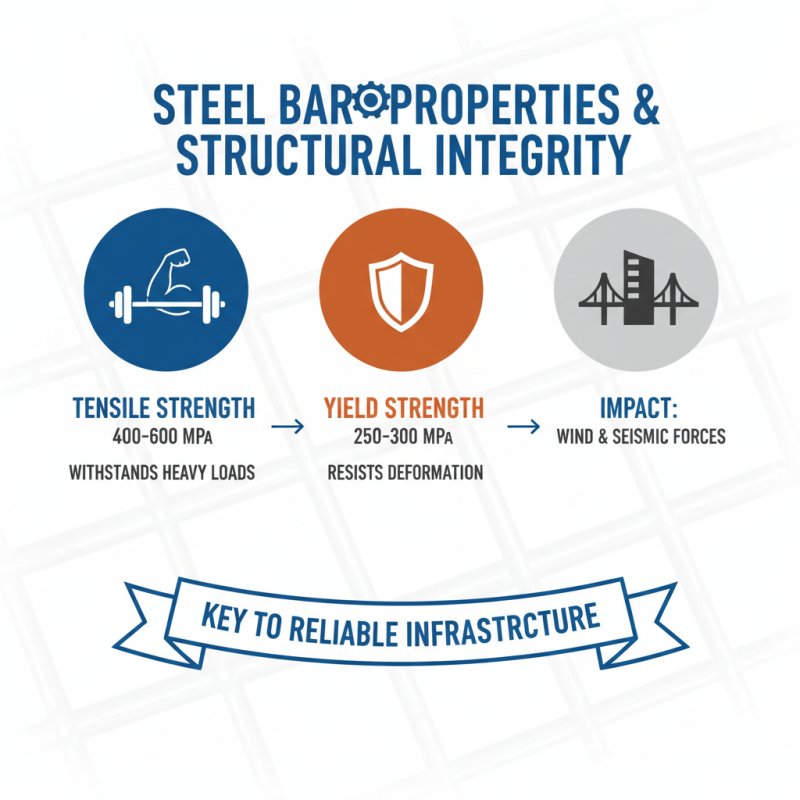
Steel bars are crucial in construction. Their mechanical properties significantly influence structural integrity. The tensile strength of steel, typically ranging from 400 to 600 MPa, ensures it can withstand heavy loads. Yield strength, often between 250 and 300 MPa, indicates the maximum stress it can endure before deforming permanently. This strength allows buildings and bridges to resist forces, such as wind and seismic activity.
Ductility is another vital property of steel. It enables structural components to absorb energy and deform without breaking. The elongation of steel bars, usually around 10-20%, allows for flexibility in construction designs. However, relying solely on these properties without thorough testing can lead to failures. For instance, improper installation or material flaws may compromise safety.
Corrosion resistance is essential too. Steel structures often face harsh environmental conditions. According to studies, unprotected steel can corrode at rates of 0.1 to 0.3 mm per year. This deterioration may weaken the overall structure over time. Proper treatment and regular monitoring are necessary to ensure longevity and safety in construction projects.
Cost Efficiency: Steel Bar vs. Alternative Reinforcement Materials
In construction, the choice of materials directly impacts the budget and durability of a project.
Steel bars are often preferred over alternatives like plastic or fiberglass reinforcements. They provide a combination of strength and cost-effectiveness that is hard to match. Steel offers a reliable tensile strength, ensuring that structures can bear significant loads without compromise.
Using steel bars can reduce long-term costs. They can withstand harsh weather conditions without weakening, leading to lower maintenance expenses over time. Structures reinforced with steel bars tend to have a longer lifespan, resulting in better investment returns. In contrast, alternative materials may need replacement or repairs sooner, adding unforeseen costs.
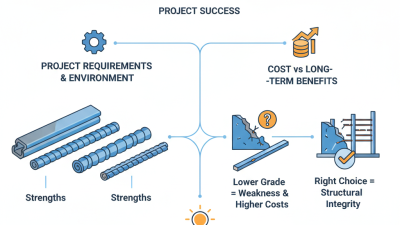
Tip: Carefully analyze project requirements before selecting reinforcement materials. It’s essential to consider environmental factors and specific load requirements. Choose materials that provide both immediate savings and long-term value. Although alternatives may seem appealing, the longevity and durability of steel bars make them a safer choice in most cases.
Always consult with a structural engineer to verify your choices align with safety standards and design goals.
Sustainability Considerations in the Use of Steel Bar for Construction
Sustainability is a crucial topic in modern construction. The use of steel bar plays a significant role in this discussion. Steel is highly recyclable, making it a more sustainable option compared to many other materials. Its strength allows for thinner structures, which can reduce the overall amount of steel needed.
However, there are challenges to consider. The production of steel can be energy-intensive. It often involves mining raw materials and emitting carbon dioxide. Some argue that alternative materials may offer a greener path. For instance, innovations in composite materials are emerging, but they are not as commonly accepted yet.
Moreover, using steel bars responsibly involves sourcing from sustainable suppliers. It is essential to ensure that the entire production process minimizes environmental impacts. Striking a balance between durability and ecological responsibility is vital. As the construction industry evolves, reflecting on these factors becomes necessary for a truly sustainable future.
Steel Bar Usage in Construction Projects: A Sustainability Perspective