Leave Your Message
Choosing reliable suppliers for Prepainted Corrugated Steel Sheet requires more than comparing prices or catalog photographs. Coating quality, base-metal strength, forming performance, and delivery consistency can determine whether a roof remains attractive after years of sunlight and rain. This guide introduces the Top 10 Prepainted Corrugated Steel Sheet Manufacturers through practical criteria that matter on real projects.
Dr. Robert W. Revie, a recognized corrosion scientist and editor of corrosion engineering references, wrote, “Corrosion is the deterioration of a material, usually a metal, by reaction with its environment.” His observation remains highly relevant. A painted sheet is not merely colored steel. It is a layered protection system, where metallic coating, primer, paint, and profile work together. A small scratch near a fastener can become a serious weakness if production control is poor.
The manufacturers discussed here are assessed through technical capability, coating options, dimensional consistency, testing practices, and market reliability. Their performance can differ by region. One producer may offer excellent color retention, while another performs better with custom lengths or rapid container loading. There is no perfect ranking. Real outcomes also depend on installation, storage, local climate, and maintenance.
Look closely at the details. Check coating thickness. Ask for test reports. Inspect packaging before unloading. These steps are unglamorous, but important. This introduction may not predict every project result, and that limitation deserves recognition. Still, it provides a grounded starting point for buyers, engineers, contractors, and distributors seeking dependable Prepainted Corrugated Steel Sheet suppliers.
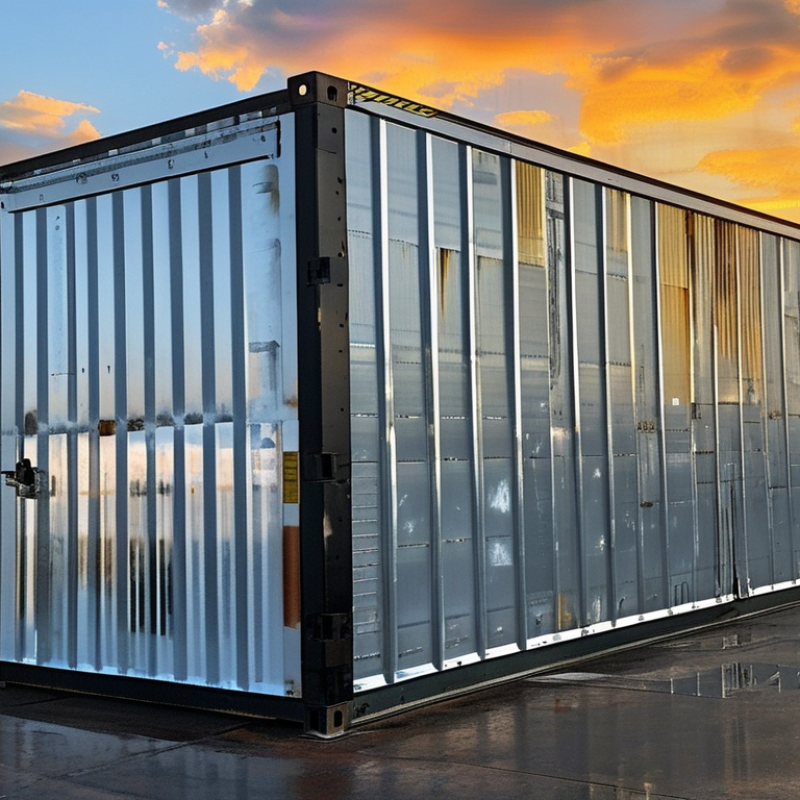
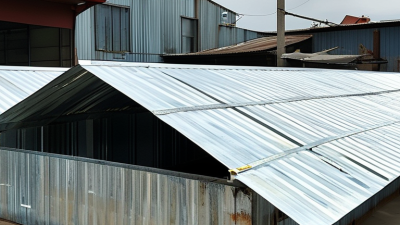
Prepainted corrugated steel sheets are factory-coated steel panels formed into repeating ribs. The steel core is commonly galvanized or aluminum-zinc coated. A conversion layer, primer, and finish coat protect the surface. Roll forming creates stiffness without adding much weight. That geometry matters on roofs and wall cladding. It helps panels span between supports, although spacing still requires engineering. The World Steel Association reported 1.89 billion tonnes of crude steel production in 2023. That scale supports broad material availability, but it does not guarantee coating quality. Buyers should verify substrate mass, coating thickness, paint chemistry, and batch records.
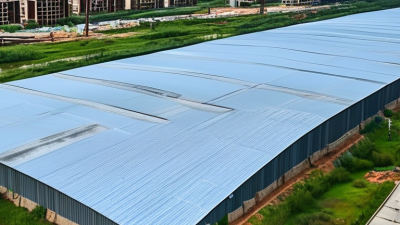
Key features include corrosion resistance, consistent color, quick installation, and low routine maintenance. Performance depends on exposure, cut edges, fasteners, and drainage. Coastal salt, trapped moisture, and industrial fumes can shorten service life. High-reflectance finishes may reduce roof heat gain. The U.S. Department of Energy reports that cool roofs can lower peak cooling demand by 10–30% in suitable buildings. That figure is not a promise for every corrugated panel. It depends on insulation, ventilation, climate, and surface aging. Testing under ASTM or ISO methods improves comparison. Still, laboratory results can miss careless installation. A scratched rib is small, but it may become the first visible failure.
| Profile | Typical Substrate | Common Steel Thickness | Effective Width | Corrugation Depth | Coating System | Paint Film Thickness | Metallic Coating | Typical Yield Strength | Relevant Standards | Key Features and Suitable Uses |
|---|---|---|---|---|---|---|---|---|---|---|
| Manufacturer 01 | Hot-dip galvanized steel | 0.35–0.80 mm | 800–1,100 mm | 18–35 mm | Polyester over chromate-free pretreatment | Top 15–25 μm; back 5–10 μm | Zinc, commonly Z100–Z275 | 280–550 MPa | EN 10346; EN 10169 | Economical general-purpose roofing and wall cladding with good formability. |
| Manufacturer 02 | 55% aluminum-zinc alloy-coated steel | 0.40–0.90 mm | 900–1,250 mm | 25–76 mm | Silicone-modified polyester | Top 20–30 μm; back 5–15 μm | Al-Zn alloy, commonly AZ50–AZ150 | 300–550 MPa | ASTM A792/A792M; ASTM A755/A755M | Enhanced atmospheric corrosion resistance for industrial and agricultural buildings. |
| Manufacturer 03 | Galvanized high-strength steel | 0.45–1.20 mm | 850–1,100 mm | 35–50 mm | High-durability polyester or SMP | Top 25–35 μm; back 10–15 μm | Zinc, commonly Z180–Z275 | 420–550 MPa | EN 10346; ASTM A653/A653M | Higher structural capacity and improved resistance to denting and wind loads. |
| Manufacturer 04 | Aluminum-zinc coated structural steel | 0.50–1.00 mm | 900–1,200 mm | 40–60 mm | Polyurethane or modified polyester | Top 25–40 μm; back 10–15 μm | Al-Zn alloy, commonly AZ100–AZ150 | 350–550 MPa | EN 10169; ISO 12944 guidance | Suitable for long-span roofing where reduced support spacing and durability are important. |
| Manufacturer 05 | Galvanized cold-forming steel | 0.30–0.60 mm | 750–1,050 mm | 18–30 mm | Standard polyester | Top 15–20 μm; back 5–10 μm | Zinc, commonly Z100–Z200 | 220–350 MPa | EN 10346; ASTM A653/A653M | Lightweight and easy to cut, suitable for residential roofs, sheds, and partitions. |
| Manufacturer 06 | Galvanized steel with PVDF finish | 0.45–0.90 mm | 800–1,200 mm | 25–50 mm | PVDF over primer and pretreatment | Top 25–35 μm; back 10–15 μm | Zinc, commonly Z180–Z275 | 280–550 MPa | EN 10169; AAMA 2605 performance principles | Superior color and gloss retention for architectural façades and premium roofs. |
| Manufacturer 07 | 55% aluminum-zinc coated steel | 0.40–0.75 mm | 850–1,150 mm | 20–45 mm | Matt polyester with anti-fingerprint layer | Top 20–30 μm; back 5–15 μm | Al-Zn alloy, commonly AZ50–AZ150 | 280–450 MPa | ASTM A792/A792M; EN 10169 | Low-glare appearance, good scratch resistance, and suitability for visible exterior panels. |
| Manufacturer 08 | Galvanized steel for cold environments | 0.40–0.80 mm | 800–1,100 mm | 25–40 mm | Flexible polyester coating | Top 20–25 μm; back 5–10 μm | Zinc, commonly Z180–Z275 | 280–450 MPa | EN 10346; EN 10169 | Good coating flexibility and impact tolerance for cold-weather construction. |
| Manufacturer 09 | Galvanized steel with antimicrobial paint option | 0.35–0.70 mm | 750–1,100 mm | 18–35 mm | Polyester or coated hygienic finish | Top 20–30 μm; back 10–15 μm | Zinc, commonly Z100–Z275 | 220–450 MPa | EN 10169; ASTM A653/A653M | Easy-clean surfaces for food-processing, cold-storage, and interior lining applications. |
| Manufacturer 10 | Aluminum-zinc coated high-strength steel | 0.50–1.00 mm | 900–1,250 mm | 40–76 mm | Silicone-modified polyester or polyurethane | Top 25–35 μm; back 10–15 μm | Al-Zn alloy, commonly AZ100–AZ150 | 420–550 MPa | ASTM A792/A792M; EN 10346 | Long-span structural performance with reduced maintenance requirements in demanding environments. |