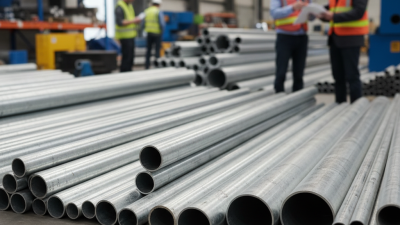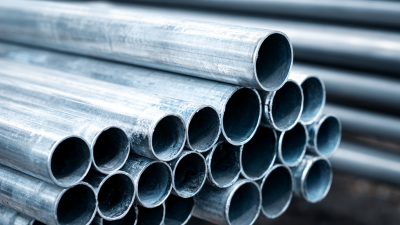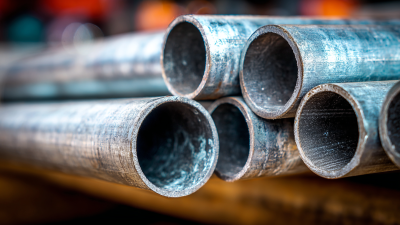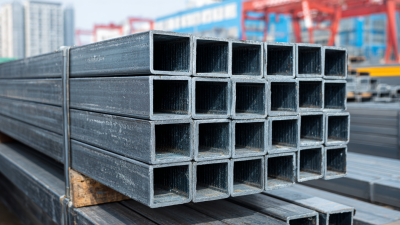
In the construction and manufacturing industries, the selection of materials is critical to project success. Galvanized Square Pipe has gained significant popularity, thanks to its durability and resistance to corrosion. A report from the American Institute of Steel Construction (AISC) highlights that the use of galvanized steel can extend the lifespan of structures by up to 50%. This increase in longevity reflects a growing preference for materials that offer both functionality and cost-effectiveness.
Moreover, the versatility of Galvanized Square Pipe allows for a wide range of applications, from framing to scaffolding. Industry experts often point out its ease of fabrication and installation, which can significantly reduce labor costs on job sites. However, despite the numerous benefits, some projects may not fully capitalize on its advantages. Understanding the full range of applications and scenarios can be overwhelming for newcomers in the field. It’s essential to weigh these factors carefully to avoid costly mistakes.
With rising concerns over sustainability, Galvanized Square Pipe presents an eco-friendlier option compared to untreated alternatives. The coating process not only reinforces the metal but helps in recycling efforts. Still, inspection and maintenance remain vital. Regular assessments are necessary to ensure it retains its protective qualities over time. Balancing these benefits and challenges can lead to more informed decisions in project management.
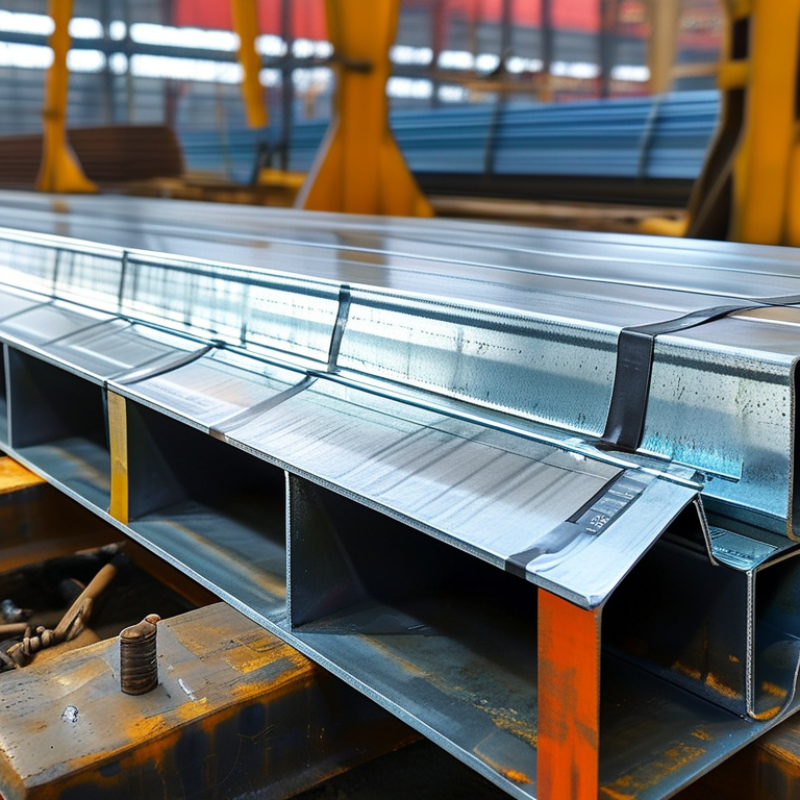
Galvanized square pipes offer unique advantages for structural integrity. They are coated with zinc, which prevents rust and corrosion. This feature is crucial for projects exposed to moisture or harsh environments. Longevity is a significant benefit. A well-maintained galvanized pipe can last for decades, reducing the need for frequent replacements.
The structural strength of galvanized square pipes is impressive. They provide excellent support and stability for various applications. Builders often choose these pipes for frameworks because they can bear significant loads. This reliability makes them suitable for industrial structures and residential buildings alike. However, proper installation is vital. Poor techniques can compromise their strength.
In addition, these pipes are versatile. They can be easily cut and joined to fit different designs. This adaptability simplifies project planning. On the downside, the initial cost may be higher compared to non-galvanized options. Recognizing this trade-off is important for budgeting. Balancing cost with long-term benefits is essential for project success.

Corrosion resistance is a standout feature of galvanized square pipe. This trait is essential for various construction projects. Galvanization involves coating steel with a layer of zinc. This process creates a protective barrier against moisture, oxygen, and other elements. According to industry research from the American Galvanizers Association, galvanized steel can last over 70 years. This durability makes it a top choice for builders and engineers.
The benefits extend beyond just longevity. Projects in coastal areas, where saltwater exposure is significant, can particularly benefit from galvanized square pipe. Saltwater accelerates corrosion, leading to quicker failure of unprotected metals. Reports show that galvanized steel can withstand severe conditions that would corrode untreated steel in just a few years. Yet, while this protective method is effective, it does have limitations. For example, scratches in the coating may expose underlying metal, potentially leading to localized corrosion. It’s critical to consider these aspects in project planning.
Moreover, installation practices play a role in performance. Proper welding and handling techniques can enhance the corrosion resistance of the galvanized coating. Incomplete or improper application can lead to weaknesses. Continuous monitoring and maintenance are also vital to ensure the longevity of the material. Overall, while galvanized square pipe offers excellent corrosion resistance, understanding its limitations is crucial for successful application.
Galvanized square pipes stand out for their cost-effectiveness in long-term projects. These pipes undergo a zinc coating process, which protects them from corrosion. This durability can significantly reduce replacement costs over time. Unlike other materials, galvanized pipes maintain structural integrity even in challenging environments. This resilience means fewer repairs and replacements, ultimately saving money.
Investing in galvanized square pipes can also lead to fewer maintenance hassles. Projects that rely on these pipes benefit from the reduced need for inspections. This translates to lower labor costs and fewer disruptions. A well-planned project incorporating galvanized pipes may also experience fewer delays. However, it’s crucial to consider potential miscalculations in initial project estimations. Budgeting for galvanized pipes requires accuracy to truly capture long-term savings.
While the initial price of galvanized square pipes might be higher than some alternatives, the long-term value is clear. Over time, these pipes demonstrate a strong return on investment. Decisions should account for environmental conditions and intended usage. With careful planning, the upside of using galvanized square pipes becomes apparent. Yet, project managers must remain vigilant about changing market prices and availability.
This chart illustrates the top 10 benefits of using galvanized square pipes in projects, highlighting aspects such as cost savings and durability, which play a crucial role in the decision-making process for long-term projects.
Galvanized square pipes are increasingly popular in construction projects due to their versatility. They can be used in structural frames, scaffolding, and even in furniture design. According to a report from the American Institute of Steel Construction (AISC), the use of galvanized steel can increase the lifespan of structures by up to 50%, reducing long-term maintenance costs. This makes them an efficient choice for various applications.
One of the notable advantages is their resistance to corrosion. The galvanized coating protects the steel from rust, which is essential in high-moisture areas. This durability ensures that the structure maintains its integrity over the years. It's also important to consider the environmental factors in design. In many projects, galvanized square pipes provide a reliable solution that requires less frequent replacement.
Here’s a tip: when selecting galvanized square pipes for your project, consider the thickness of the coating. A thicker coating offers better protection against harsh weather conditions. Additionally, always check the compatibility of materials for welding or joining, as this can affect structural performance. Another consideration is ensuring you source pipes from trusted suppliers to avoid variations in quality. Remember, investing in quality materials leads to better project outcomes.
| Benefit | Description | Applications |
|---|---|---|
| Corrosion Resistance | Galvanized square pipes are coated with zinc, which protects them from rust and corrosion. | Outdoor structures, fences, and railings. |
| Durability | These pipes have a long service life, making them ideal for numerous applications. | Construction frameworks and scaffoldings. |
| Versatility | Can be used in various construction and manufacturing processes. | Furniture, carports, and displays. |
| Cost-Effectiveness | Lower maintenance costs due to corrosion resistance. | Budget projects, industrial applications. |
| Aesthetic Appeal | Smooth surface and neat appearance enhance design aspects. | Architectural features, decorative installations. |
| Strong Structural Integrity | High strength-to-weight ratio makes it ideal for heavy loads. | Industrial shelving, supporting beams. |
| Easy to Work With | Can be easily cut, welded, and joined. | Custom constructions, repairs. |
| Environmental Benefits | Zinc coating is environmentally friendly, often recyclable. | Sustainable projects, green building initiatives. |
| Thermal Conductivity | Good heat transfer properties useful in certain applications. | Heating systems, insulated structures. |
| Compatibility with Other Materials | Can be easily combined with other metals and materials. | Mixed-material constructions, retrofits. |
Galvanized square pipes stand out in construction and DIY projects due to their lightweight design. This characteristic makes them easy to handle, reducing strain on workers. With a lower weight, transporting these pipes becomes efficient. It’s easier to move them to job sites, which can save both time and energy.
Moreover, their easy handling can facilitate complex project designs. Even though they are lightweight, galvanized square pipes don’t compromise on strength. They can withstand various environmental conditions, offering durability where it matters. However, one might encounter challenges when cutting or welding these pipes, demanding specific tools and skills.
Furthermore, their ease of transport does not eliminate the need for careful planning. Workers should consider the size and weight limits when stacking or storing them. Mistakes can lead to safety issues or material wastage. Yet, with thoughtful handling, these pipes can contribute significantly to project efficiency.