What is Erw Steel Pipe and Why is it Essential for Global Buyers?
In the continually evolving construction and manufacturing sectors, Erw Steel Pipe plays a pivotal role. This versatile material is essential for various applications, from structural support to fluid transportation. The global Erw Steel Pipe market is projected to surpass $35 billion by 2027, according to recent industry reports. Such data highlights its increasing demand among manufacturers and builders alike.
Industry expert John Miller states, “Erw Steel Pipe is the backbone of modern infrastructure.” His insights emphasize the unique strength and reliability of this material. The production of Erw Steel Pipe employs advanced welding techniques. This attribute enhances its durability, making it suitable for challenging environments. Yet, there are concerns regarding quality control and sourcing. Not all suppliers meet stringent industry standards, which could impact long-term projects.
Buying Erw Steel Pipe involves navigating complex supply chains. Buyers must ensure they collaborate with reputable companies. It's crucial to understand the specifications required for your project. Making informed decisions is vital in this competitive market. Quality and reliability can vary significantly among manufacturers. Recognizing this variability is important for engineering successful outcomes in any construction endeavor.
What is Erw Steel Pipe: Definition and Basic Characteristics
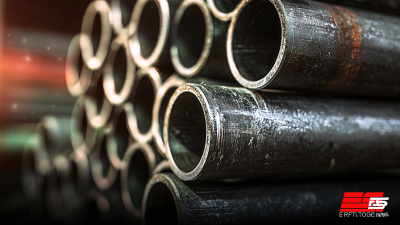
Electrical Resistance Welded (ERW) steel pipe is a type of welded tubular product. It is produced by rolling steel sheets and welding the edges together. This process allows for the creation of pipes that are both strong and flexible. ERW pipes are commonly used in various industries due to their reliability.
One notable characteristic of ERW steel pipe is its smooth interior, which enhances fluid flow. This makes it ideal for transportation services such as oil and gas. The manufacturing process also contributes to its affordability. However, inconsistencies in weld quality can arise. These issues may lead engineers to reconsider their choice of material in critical applications.
Global buyers value ERW pipes for their versatility. They fit multiple applications, from construction to automotive sectors. Yet, buyers must assess the standards of suppliers. Not all manufacturers meet the same level of quality. Thorough research is essential to ensure that the product meets specific requirements, especially in high-stakes projects. Understanding the attributes of ERW steel pipe can guide informed purchasing decisions.
Historical Development of Erw Steel Pipe in the Global Market
Erw Steel Pipe, or Electric Resistance Welded pipe, has evolved significantly since its inception in the early 20th century. Initially developed to provide a reliable method for producing welded pipes, its importance has surged in various industries. As the world progressed through the industrial age, the demand for sturdy and efficient piping systems increased. Erw Steel Pipe became a staple in construction, oil, gas, and water utilities due to its cost-effectiveness and strength.
Today, the global market for Erw Steel Pipe is more competitive than ever. Emerging economies have begun investing heavily in infrastructure development, driving demand further. Countries like India and China are leading in production capabilities, yet this creates challenges. Quality control remains a concern, as variations in production methods can lead to inconsistencies. Buyers must be vigilant about sourcing their materials from reputable suppliers with proven track records.
**Tip:** When selecting Erw Steel Pipe, always request documentation that verifies compliance with industry standards. This ensures you receive a product that meets safety and performance criteria.
Navigating the Erw Steel Pipe market can be daunting. Disparities in quality can arise, especially when working with unfamiliar suppliers. Potential buyers are encouraged to seek out reviews or case studies. Understanding previous buyer experiences can offer valuable insights into the reliability of specific manufacturers.
**Tip:** Consider forming partnerships with suppliers who have established themselves in your region. Local connections can often lead to better communication and support throughout your projects.
What is Erw Steel Pipe and Why is it Essential for Global Buyers? - Historical Development of Erw Steel Pipe in the Global Market
| Year |
Development Milestone |
Global Market Expansion |
Key Applications |
| 1930s |
Introduction of Electric Resistance Welding |
Initial use in construction |
Structural framing |
| 1960s |
Advancements in welding technology |
Rise in demand from automotive industry |
Automotive parts |
| 1980s |
Global standardization of manufacturing processes |
Increased international trade |
Pipeline construction |
| 2000s |
Emergence of new markets |
Expansion in Asia and Middle East |
Water supply systems |
| 2020s |
Sustainability initiatives in production |
Increasing focus on eco-friendly materials |
Renewable energy infrastructures |
Key Manufacturing Processes and Standards for Erw Steel Pipe
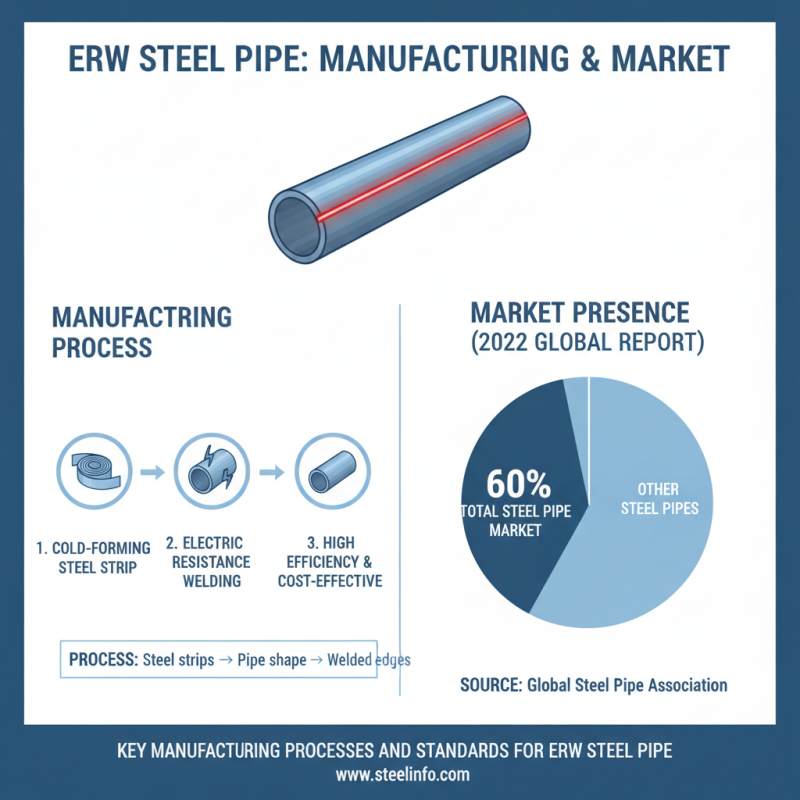
Erw steel pipe, also known as Electric Resistance Welded pipe, is crucial for various industries. The manufacturing process involves cold forming steel strips into a pipe and welding the edges together using electric resistance. This process offers high efficiency and cost-effectiveness. According to a 2022 report from the Global Steel Pipe Association, Erw steel pipes account for nearly 60% of the total steel pipe market.
The quality of Erw steel pipes is governed by several international standards. The ASTM A53 and ASTM A500 specifications are among the most recognized criteria. These standards dictate aspects such as thickness, chemical composition, and mechanical properties. Ensuring compliance with these standards is vital for the integrity of welds and overall performance in applications.
While Erw pipes are versatile, challenges remain in quality assurance. Flawed manufacturing processes can lead to defects, impacting reliability. It’s essential for buyers to assess the credibility of manufacturers. A 2023 industry survey showed that 30% of companies reported issues with inconsistently produced Erw pipes. This highlights the need for rigorous inspections and adherence to standards throughout production.
Applications of Erw Steel Pipe Across Various Industries
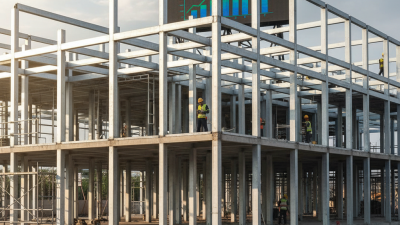
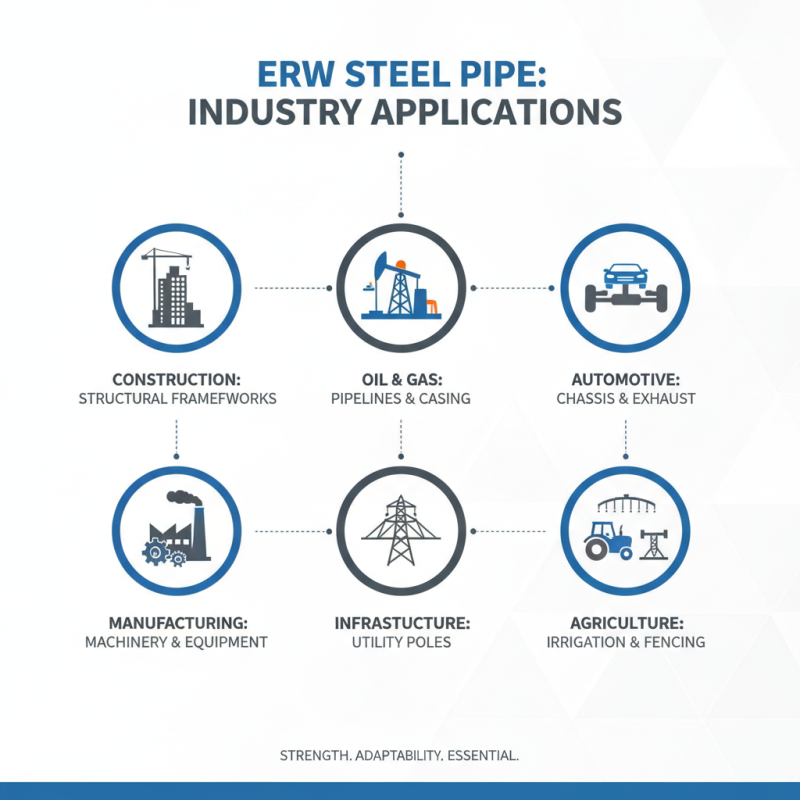
ERW steel pipe, or Electrical Resistance Welded pipe, plays a vital role in various industries. Its applications are diverse and essential. For instance, in the construction sector, ERW pipes are widely used for structural frameworks. They offer strength and adaptability, making them ideal for both residential and commercial buildings.
In the oil and gas industry, ERW pipes transport oil, gas, and water. Their design allows for high-pressure resistance, crucial in this field. However, quality control is vital as any defects can lead to severe leaks or failures. The water sector also benefits from ERW pipes, utilized in plumbing and irrigation systems. Their durability ensures a long-lasting solution for water transportation.
Despite their advantages, some companies face challenges when sourcing ERW pipes. Variability in manufacturing standards can lead to inconsistent quality. It's essential for buyers to conduct thorough research and choose reliable suppliers. Attention to these details can significantly impact project success.
Market Trends and Future Outlook for Erw Steel Pipe Demand Worldwide
The demand for ERW (Electric Resistance Welded) steel pipes is on a notable rise worldwide. Analysts predict the ERW steel pipe market will grow at a compound annual growth rate (CAGR) of around 6.5% from 2023 to 2030. This growth is driven by various industries, including construction, oil and gas, and water transportation. As urbanization accelerates, the need for durable piping solutions becomes critical.
According to a recent report by MarketsandMarkets, the global ERW steel pipe market was valued at approximately $35 billion in 2022. By 2030, it may reach around $56 billion. This forecast indicates robust investment trends in infrastructure development. However, some challenges remain. Fluctuating raw material prices can affect production costs and, consequently, pricing strategies. Additionally, environmental concerns around steel production are prompting the industry to seek greener alternatives.
Sustainability plays a pivotal role in shaping future demand. Companies are increasingly focusing on reducing carbon footprints and enhancing the recyclability of steel pipes. There's a growing expectation for manufacturers to innovate while addressing these environmental issues. The balance between cost, quality, and sustainability will be crucial for the long-term viability of ERW steel pipes in the global market.
Global Demand for ERW Steel Pipe (2023 Projections)
This chart illustrates the projected global demand for ERW steel pipes in 2023 across different regions. The demand is highest in Asia-Pacific, followed by Europe and North America, reflecting the increasing industrial and infrastructure activities worldwide.