Top 10 Steel Pipe Tips for Global Buyers to Consider
Buying steel pipes globally requires sharp insight. The steel pipe industry has seen significant growth, with the market size projected to reach $120 billion by 2026. Key factors include infrastructure development and manufacturing demands.
Steel pipes serve various sectors, including construction and energy. Buyers often overlook crucial details, leading to costly mistakes. For instance, non-compliance with international standards can result in project delays. Professional reports emphasize that quality assurance is vital for maintaining structural integrity.
Shipping logistics play a critical role. Understanding tariffs and transport options can affect pricing. However, many buyers fail to account for these variables, risking profitability. The importance of reliable suppliers cannot be overstated. Research shows that a dependable supplier can improve project timelines and reduce costs significantly.
Understanding Global Steel Pipe Standards and Specifications
When navigating global steel pipe standards, understanding specifications is crucial. Different countries have unique regulations and quality requirements. The International Organization for Standardization (ISO) and American National Standards Institute (ANSI) provide guidelines that ensure consistency. According to recent market research from ASTM International, these standards influence not only quality but also procurement strategies.
Tip: Familiarize yourself with the specifications prevalent in your target market. Understanding EN, ASTM, and API standards can improve your sourcing decisions. Each set of standards addresses specific applications, ensuring that the pipes meet specific physical and mechanical properties.
Being aware of the various compliance certifications can also play a significant role in maintaining quality. Many suppliers display certifications prominently. However, it’s essential to verify their authenticity. Quality documentation can reduce risks significantly. Regulatory bodies often update these standards to adapt to technological advancements. Using outdated specifications may lead to compliance issues.
Tip: Regularly consult updated industry reports to stay informed about changing standards. Peer-reviewed studies often highlight emerging trends that could impact your purchasing strategy. By keeping abreast of the latest information, you not only enhance your knowledge but also improve your decision-making processes.
Evaluating Steel Pipe Material Grades for Different Applications
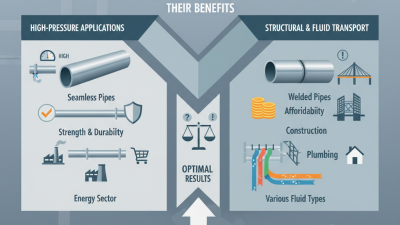
Choosing the right steel pipe involves understanding material grades. Each grade has specific properties that influence its suitability for various applications. For example, carbon steel pipes are ideal for construction and plumbing. They offer good strength and are cost-effective. However, they may not perform well in corrosive environments.
Alloy steel pipes, on the other hand, include elements like chromium or nickel. These additions enhance strength and resist wear. They're often chosen for high-pressure applications. Yet, their higher cost may not always justify their use, especially in low-stress environments. Evaluating the intended application is essential.
Stainless steel pipes are renowned for their corrosion resistance. They can handle extreme temperatures and are vital in food processing and chemical industries. However, their initial cost can be a barrier. Buyers should consider long-term value against upfront expenses. A balance between performance and cost will lead to better decision-making.
Key Factors Impacting Steel Pipe Pricing in Global Markets
Steel pipe pricing is influenced by several key factors in global markets. Demand fluctuations can heavily impact prices. When industries surge, the need for steel pipes increases significantly. This rising demand often leads to higher costs, as suppliers struggle to keep pace. Alternatively, when demand slows, prices may drop, reflecting an oversupply in the market.
Raw material costs play a crucial role too. The prices of iron ore and scrap metal constantly fluctuate, driving the cost of finished products. Buyers must stay informed about these trends. Another important factor is logistics. Transportation costs, impacted by fuel prices and trade policies, can add significant expenses. Geopolitical events can disrupt supply chains, creating further pricing volatility.
Buyers should also consider quality certifications and manufacturer reliability. Not all suppliers meet the same standards. Understanding these nuances is essential. Sourcing from reputable manufacturers can ensure dependability. Finally, market conditions, such as tariffs and trade agreements, must remain on the radar. Navigating these complexities can challenge even the most seasoned buyers.
Steel Pipe Pricing Factors Analysis
Assessing Durability and Corrosion Resistance in Steel Pipes
When considering steel pipes, durability and corrosion resistance are crucial. Steel is versatile but can corrode in harsh environments. Research shows that up to 30% of steel pipes can fail due to corrosion-related issues. Factors like humidity, temperature, and chemical exposure play significant roles. For instance, pipelines in coastal areas often face higher corrosion rates due to saltwater exposure.
The right selection of steel grade dramatically affects longevity. Grades like ASTM A106 are known for their high tensile strength, but even these can corrode without proper coating. Data indicates that applying protective coatings can increase service life by up to 50%. However, some buyers overlook this step, leading to premature failures.
Regular inspections are necessary but often neglected. Corrosion can begin invisibly. Using modern technologies, such as ultrasonic testing, helps detect hidden corrosion early. This proactive approach could save companies from significant costs down the line. Adopting best practices in maintenance remains essential for ensuring the performance of steel pipes.
Navigating Supply Chain Challenges for Steel Pipe Purchases
Navigating supply chain challenges in steel pipe purchases requires careful planning and a keen understanding of market dynamics. Global buyers face various hurdles such as fluctuating raw material costs and transportation delays. These factors can directly impact pricing and availability. It's crucial to stay informed about industry trends and price indices to make informed purchasing decisions.
Communication with suppliers can provide critical insights. Establishing a strong relationship may lead to better terms and priority during shortages. Engaging in regular discussions can help buyers anticipate supply disruptions. Moreover, diversifying the supplier base can reduce risks. Relying solely on one source may not yield the best results, especially during uncertain times.
Buyers should also consider the impact of geopolitical issues. Tariffs and trade agreements can alter the landscape rapidly. Preparing for these shifts is essential. Regularly reviewing supply contracts and maintaining flexibility can aid in adapting to changes. While navigating these challenges may seem daunting, developing a proactive approach can enhance reliability and stabilize the procurement process.