What Is the Best Type of Roofing Sheet?
Choosing the best Roofing Sheet is not simply a matter of color, price, or showroom appearance. A roof must manage rain, heat, wind, corrosion, maintenance, and future replacement costs. The right choice depends on climate, building use, roof pitch, budget, and installation quality.
The International Energy Agency reported in Buildings 2023 that buildings consume around 30% of global final energy. They also create approximately 26% of energy-related emissions. These figures make thermal performance more important than many buyers expect. In hot regions, reflective metal sheets can reduce solar heat gain when properly coated and ventilated. However, a reflective surface cannot repair poor insulation or badly sealed joints. That detail is often underestimated.
Galvanized steel, aluminum, stainless steel, and coated metal sheets each offer different advantages. Steel usually provides strong structural value and broad availability. Aluminum performs well near coastal environments because it resists rust better. Stainless steel offers excellent durability, but its higher cost may not suit every project. The Metal Construction Association notes that metal roofing can deliver long service life when design, coatings, and installation are properly coordinated. Still, real performance varies sharply between products.
Installation matters more than marketing claims.
ASTM standards and manufacturer testing can clarify strength, corrosion resistance, and coating performance. Yet laboratory results do not fully represent a windy coastline, polluted city, or poorly ventilated attic. This guide compares major Roofing Sheet types through durability, energy behavior, maintenance, appearance, and total lifecycle value. The answer may be less perfect than expected: the best sheet is usually the one matched carefully to local conditions, not the most expensive option.
What Makes a Roofing Sheet the Best Choice?
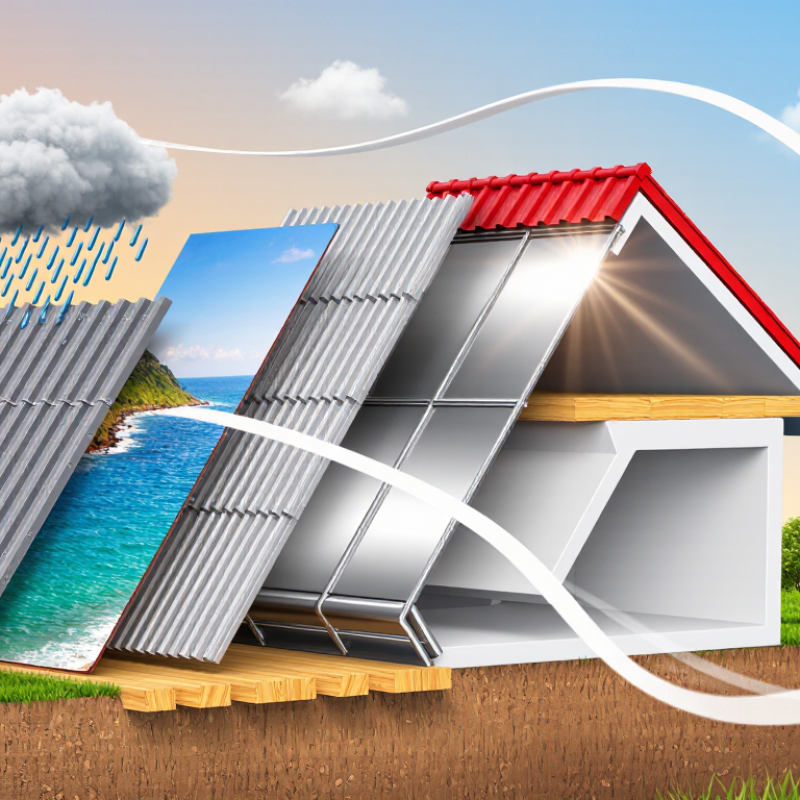
What makes a roofing sheet the best choice? In practice, it is rarely the thickest or most expensive option. A suitable sheet must match the roof’s slope, local weather, building use, and supporting structure. Field inspections commonly reveal failures caused by poor drainage or underestimated wind exposure. Start with measurements, not assumptions. Check sheet length, overlap requirements, fixing points, and the roof frame’s load capacity. A small error at the eave can direct rain into insulation and ceiling boards.
Material performance matters over time. Coated steel can provide strength and clean lines, while aluminum offers lower weight and useful corrosion resistance in many environments. The right coating should withstand sunlight, moisture, temperature changes, and nearby pollutants. Ask for documented testing, warranty terms, and installation guidance from a qualified supplier. A credible specification should state thickness, coating type, fastener compatibility, and expected service conditions. Vague claims are warning signs.
Installation often decides whether a good sheet performs well. Use compatible washers, keep fasteners straight, and avoid crushing the sheet around fixing points. Ventilation beneath the roof helps control condensation, especially above kitchens, workshops, or livestock areas. Noise also deserves attention; heavy rain can be surprisingly loud. Appearance alone can mislead, and I still catch myself trusting it too quickly. The better choice balances durability, repair access, energy performance, and budget. No sheet is perfect. Local climate records and advice from an experienced roofer should shape the final selection.
How Different Roofing Sheet Materials Compare
What Is the Best Type of Roofing Sheet?
How Different Roofing Sheet Materials Compare
Choosing roofing sheets depends on climate, roof pitch, budget, and maintenance access. Metal sheets usually offer strong wind resistance and a long service life. The International Association of Certified Home Inspectors reports an expected life of roughly 40–70 years for quality metal roofing. However, poor coating or exposed fasteners can cause early corrosion, especially near saltwater. That detail is easy to overlook.
Fiber-cement sheets are relatively affordable and resist heat well. They are also heavier and more fragile during cutting or installation. The National Roofing Contractors Association stresses that correct fastening, flashing, and ventilation strongly influence roof performance. A durable sheet can still fail when water collects around poorly sealed penetrations.
Polycarbonate sheets transmit daylight, making them useful for workshops, patios, and agricultural buildings. They are lightweight, but ultraviolet exposure can reduce clarity and toughness over time. Clay and concrete tiles generally last longer, with InterNACHI estimating service lives of 50 years or more under suitable conditions. Their weight may require structural checks before installation. Energy performance also varies. The U.S. Department of Energy notes that reflective roofing can lower roof temperatures and reduce cooling demand, but actual savings depend on insulation, ventilation, and local weather. The numbers are helpful, not absolute. A lighter-colored metal roof may outperform a darker one in summer, yet perform poorly if condensation control is ignored.
Key Factors for Evaluating Roofing Sheet Performance
What Is the Best Type of Roofing Sheet?
The best roofing sheet depends on performance, not appearance alone. In site inspections, I check thickness, coating quality, structural strength, and drainage conditions. A thicker sheet usually resists dents and wind better, but it may increase roof weight. The supporting structure must handle that load. Measure the roof span carefully. Small errors can create costly leaks.
Weather resistance also matters. In coastal areas, salt exposure can accelerate corrosion, so protective coatings deserve close attention. In hot climates, reflective surfaces and insulation can reduce indoor heat. Check fire ratings, thermal movement, and noise performance against local building requirements. Reliable test reports are more useful than vague sales claims. Fasteners should match the sheet and remain tightly sealed. One overlooked screw can become tomorrow’s water stain.
Tips: Inspect the underside for condensation after rainfall. Look for even coating, clean edges, and consistent thickness. Ask for documented test results. Do not ignore installation quality. Even an excellent sheet can fail when cut carelessly or fixed unevenly. I have seen owners focus on material price while overlooking ventilation and flashing details. That choice often creates higher repair costs later. A practical evaluation should include service life, maintenance access, climate exposure, roof pitch, and the installer’s demonstrated experience. No single sheet suits every building.
What Is the Best Type of Roofing Sheet?
Typical service-life ranges provide a useful starting point when evaluating roofing sheet performance. Actual results depend on corrosion exposure, sheet thickness, protective coating, installation quality, ventilation, and maintenance.
Zinc and copper sheets generally offer the longest service life, while coated steel and aluminum can provide strong performance at a lower material cost. For most projects, the best choice balances durability, climate resistance, weight, thermal performance, appearance, and total life-cycle cost.
How to Select the Right Roofing Sheet for Your Needs
What Is the Best Type of Roofing Sheet?
How to Select the Right Roofing Sheet for Your Needs
The best roofing sheet depends on climate, roof slope, building use, and maintenance access. A sunny warehouse needs different protection from a coastal home. Start with the local weather, not appearance.
Metal sheets suit many roofs because they are lightweight, durable, and available with protective coatings. The Metal Construction Association reports that properly installed metal roofing can serve for 40–70 years. However, thin sheets may dent during hailstorms. Coastal buildings also need stronger corrosion resistance. Small details matter, especially around fasteners and cut edges.
Thermal performance deserves careful attention. The U.S. Environmental Protection Agency reports that cool roofs can reduce peak cooling demand by 10–15% in conditioned buildings. The U.S. Department of Energy also notes that reflective roofs can remain up to 50°F cooler than conventional roofs under strong sunlight. Choose light-colored, reflective sheets for hot climates, but check winter heating needs. That trade-off is easy to miss.
For noisy workshops, insulated sandwich panels may be more comfortable than bare metal. Polycarbonate sheets can bring daylight, though excessive transparency may increase indoor heat. Check fire ratings, wind resistance, thickness, warranty terms, and local installation requirements. Ask for tested performance data, not vague claims. A lower purchase price can become expensive after leaks, repainting, or replacement. The perfect sheet does not exist. Your building’s conditions decide the practical choice.